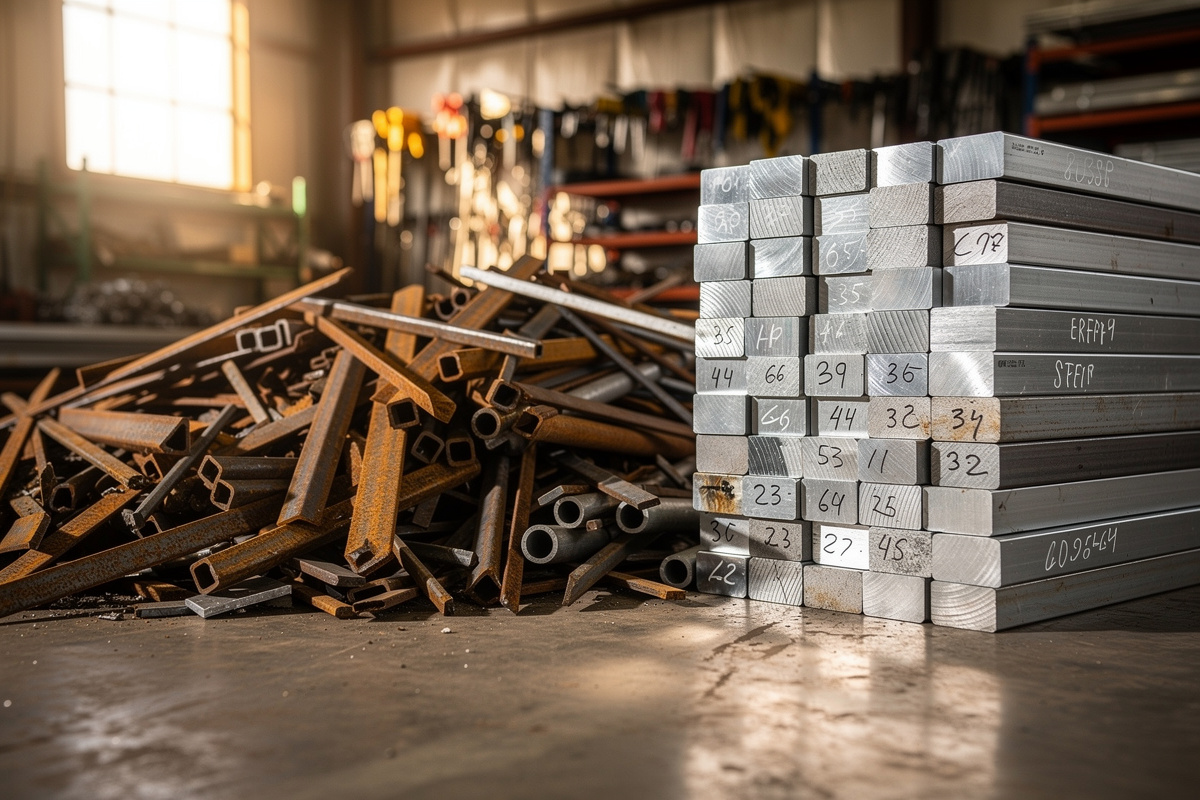

Used steel is fine for non-critical, decorative, and practice projects, where the unknown alloy and cosmetic rust do not matter. Buy new certified steel for anything load-bearing or safety-critical — trailers, stands, structure — where you need a known grade and clean, un-fatigued metal.
I am all for reclaimed steel — half my fixtures and practice coupons started life as something else — but there is a clear line between “this is just a fire pit” and “this is going to carry a person or a load,” and crossing it with mystery metal is how people get hurt. The other half of the used-steel question is coatings, and that part is a genuine health issue, not a quality one. This guide lays out when recycled steel is the smart, cheap choice and when new certified stock is worth every penny. It builds on the sourcing options in my where to buy steel guide.
When Is Used Steel Fine to Weld?
Used steel is fine whenever the joint is not safety-critical: fire pits, garden art, BBQ frames, shop fixtures, brackets, and welding practice. For these, the unknown alloy is irrelevant and surface rust grinds off. The savings are real — reclaimed steel often costs 40-60% less than new.
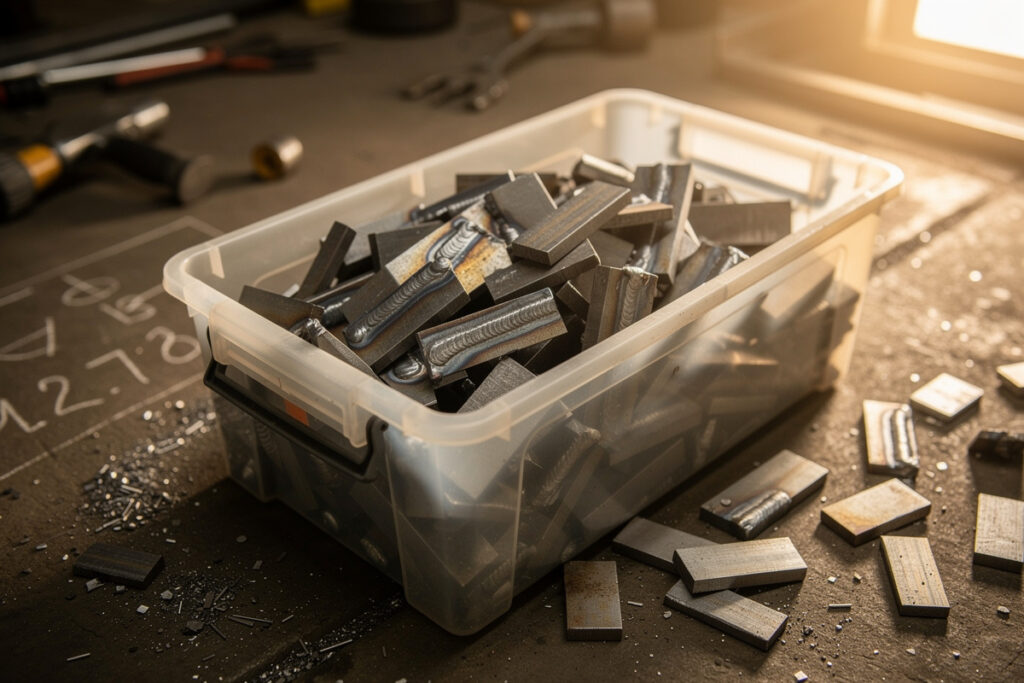
Most home welding lives comfortably in this zone. A fire pit does not care whether it is A36 or some random low-alloy bar; a garden trellis carries nothing but its own weight; a shop bracket holding a paper-towel roll has no consequence if the metal is mystery grade. This is exactly where reclaimed steel shines — it is cheap, it is everywhere, and using it keeps good metal out of the recycler. I build practice coupons and non-structural fixtures from drops and reclaimed stock constantly, and the only prep cost is grinding time. For the broader budget picture, reclaimed and free stock anchors my approach to cheap practice steel and keeps the consumables bill down.
When You Must Buy New Certified Steel
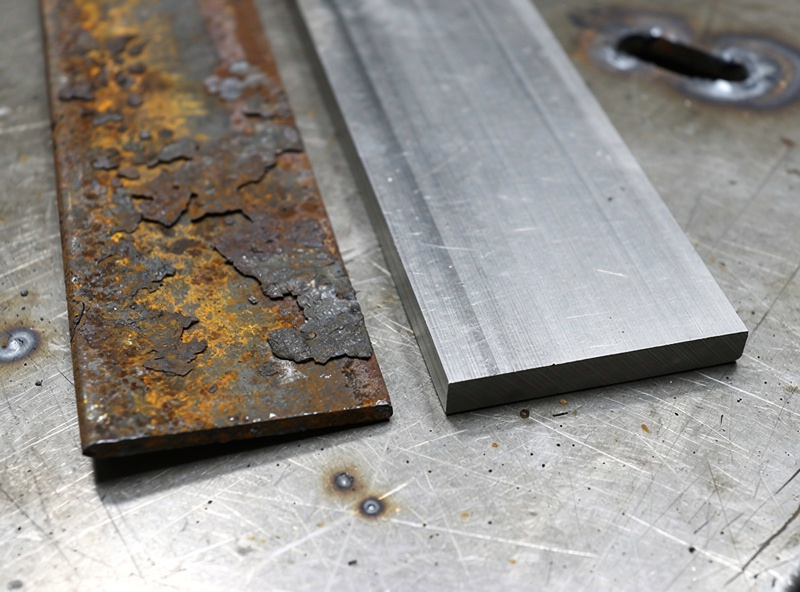
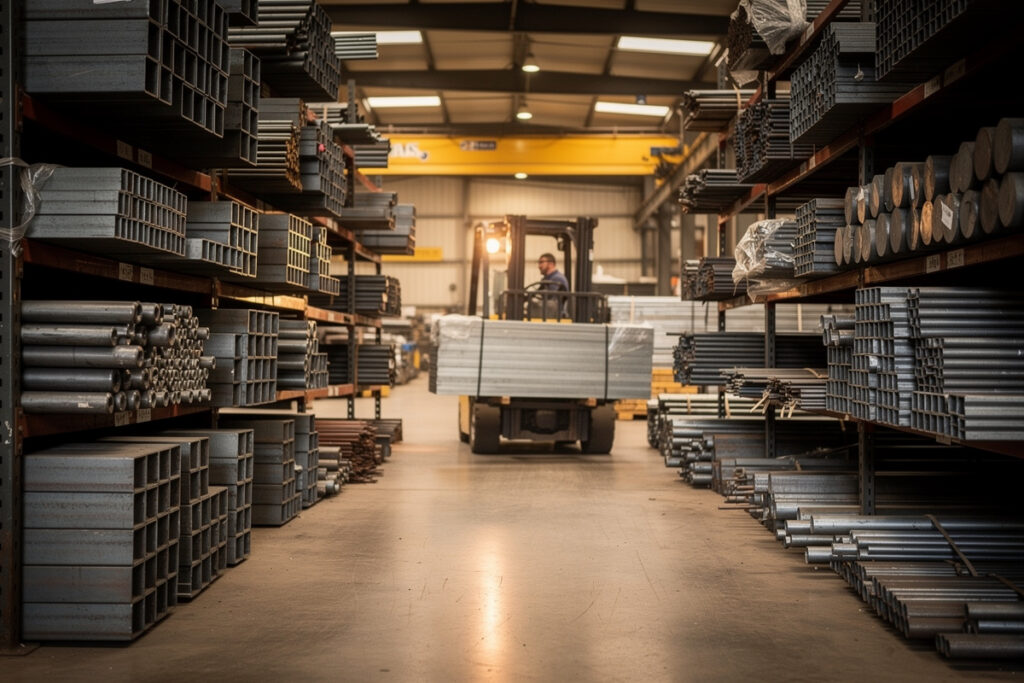
Buy new certified steel for anything load-bearing or that carries people: trailer frames, vehicle stands, lifting hardware, structural supports, and overhead work. Here you need a known grade like certified A36 or 1018, and metal that has not been fatigued, overheated, or weakened by a previous life you cannot see.
The danger with used steel in structural work is not just the unknown alloy — it is the unknown history. A bar that spent years as part of a machine may be work-hardened, micro-cracked, or fatigued in ways no surface inspection reveals. Reclaimed spring steel, high-carbon, or heat-treated stock can crack at the weld without warning. When a failure means a trailer separating on the highway or a stand dropping an engine, the cost of certified new steel is trivial against the risk. I buy known grades from a supplier for any build that carries weight or load, exactly as I would confirm a scrap find before trusting it — the tests in my identify mystery steel guide narrow it down, but they do not certify it. For the grades that matter, see my steel types for welding breakdown, and order known stock through the online suppliers roundup.
The Coating Hazard: This Is a Safety Issue
The biggest danger in used steel is not the alloy — it is the coating. Galvanized steel releases zinc oxide fume that causes metal-fume fever, and painted or plated salvage can hide lead, cadmium, or chromate coatings that are genuinely toxic. Grind all coatings back to bare metal in the weld zone, with ventilation, before striking an arc.
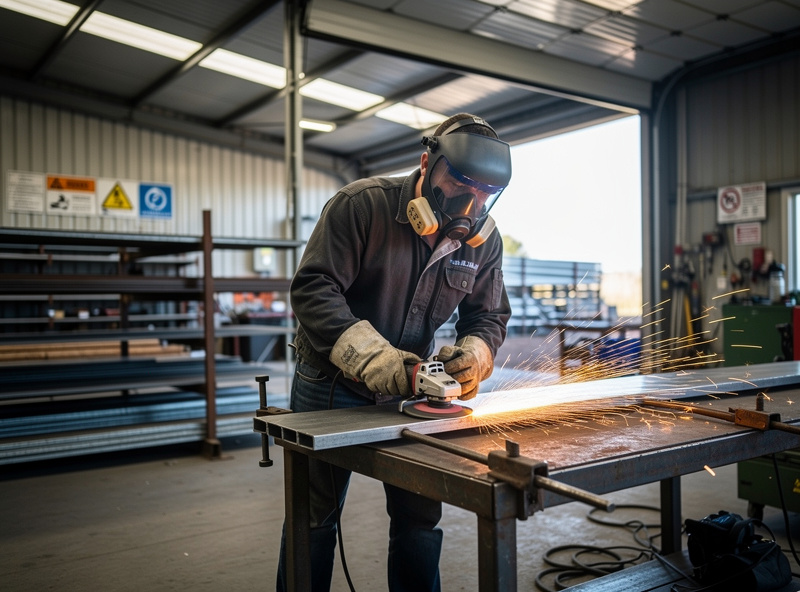
This is the part of used steel I am dead serious about. Galvanizing is a zinc coating, and welding through it vaporizes zinc oxide that gives you metal-fume fever — chills, fever, and flu-like misery for a day or two, and worse with repeated exposure. The fix is to grind the galvanizing off the weld area back to bright steel, do it with forced ventilation or outdoors, and wear a P100 respirator. Worse than zinc, some old painted or plated salvage hides lead paint or cadmium plating — cadmium fume is acutely dangerous, not just unpleasant. If you cannot identify a coating on reclaimed metal, treat it as hazardous: grind it off in the open air with a flap disc and ventilate hard. My home garage ventilation guide covers capturing this fume properly. This is the one place where “used steel is cheaper” must never override the safety basics.
Disclosure: HomeWelder is reader-supported. As an Amazon Associate I earn from qualifying purchases made through links in this article, at no extra cost to you. I only point to gear I actually use or would buy for my own shop.
New vs Used Steel Compared
| Factor | New Certified Steel | Used / Reclaimed Steel |
|---|---|---|
| Alloy certainty | Known and documented | Unknown, must be tested |
| Cost | Full retail per pound | 40-60% less or free |
| Prep effort | Minimal, clean stock | High: rust, scale, coatings |
| Coating risk | None or known | Possible zinc, lead, cadmium |
| Best projects | Structural, load-bearing | Decorative, practice, fixtures |
The decision is rarely all-or-nothing. A typical shop mixes both: reclaimed steel for the dozens of non-critical builds, certified new stock for the handful of load-bearing ones. Knowing which bucket a project falls in is the whole skill.
How to Inspect Used Steel Before Welding
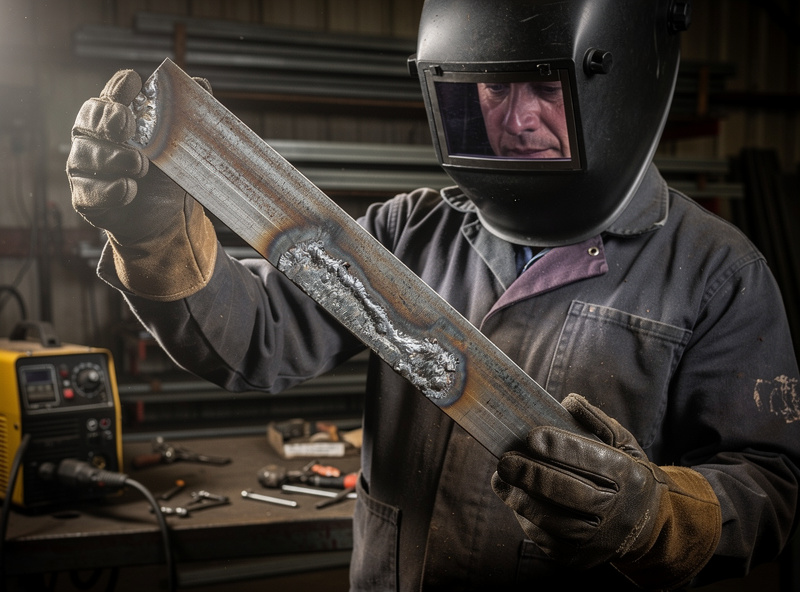
Inspect reclaimed steel for thickness loss, deep pitting, prior welds, and coatings before trusting it. Light surface rust grinds off and is cosmetic; deep pitting removes load-bearing thickness and weakens the metal. A wire cup brush and a hard look tell you whether a piece is sound or scrap.
My inspection routine on reclaimed stock is quick but firm. I clean a section with a wire cup brush and look for how deep the rust really goes — surface bloom is nothing, but pitting that has eaten visibly into the thickness means the bar has lost section and strength. I check for old weld repairs, kinks, and bends that signal a hard prior life, and I do a spark test if the alloy is in question. Anything destined for even a semi-structural fixture gets the harder look; anything purely decorative just gets cleaned and used. Reclaimed steel that passes this check welds the same as new once it is back to bright metal — the prep is the price you pay for the savings. For pure skill-building, even rougher stock is fine, which is the whole idea behind sourcing cheap practice steel from drops and free piles.
Frequently Asked Questions
Is it safe to weld used steel?
Yes for non-critical projects, with two cautions: test the alloy if the project carries any load, and grind off all coatings before welding. Galvanized, painted, or plated salvage can release toxic fume. For decorative and practice work, clean used steel welds the same as new metal.
When should I buy new steel instead of used?
Buy new certified steel for anything load-bearing or that carries people: trailers, vehicle stands, lifting hardware, and structural supports. These need a known grade and metal with no hidden fatigue or prior damage. The cost of certified steel is trivial against the risk of a structural failure.
Can you weld galvanized steel?
Yes, but grind the zinc coating off the weld zone back to bare metal first, with forced ventilation or outdoors, and wear a P100 respirator. Welding through galvanizing releases zinc oxide fume that causes metal-fume fever, with chills and flu-like symptoms for a day or two.
How much cheaper is used steel?
Reclaimed and used steel typically costs 40-60 percent less than new, and drops, demolition scrap, and free piles can cost nothing. The trade-off is prep time to remove rust, scale, and coatings, plus the alloy uncertainty that rules it out for load-bearing work.
How can I tell if used steel is still good?
Clean a section with a wire brush and check the depth of rust and pitting. Light surface rust is cosmetic and grinds off; deep pitting removes load-bearing thickness and weakens the bar. Also look for prior welds, kinks, and bends that signal fatigue or a hard previous life.
What coatings on scrap steel are dangerous?
Galvanizing (zinc) causes metal-fume fever. Far more dangerous are lead paint and cadmium plating found on some old salvage, which produce acutely toxic fume. If you cannot identify a coating, treat it as hazardous: grind it off to bare metal in open air with strong ventilation.

Discussion (0)