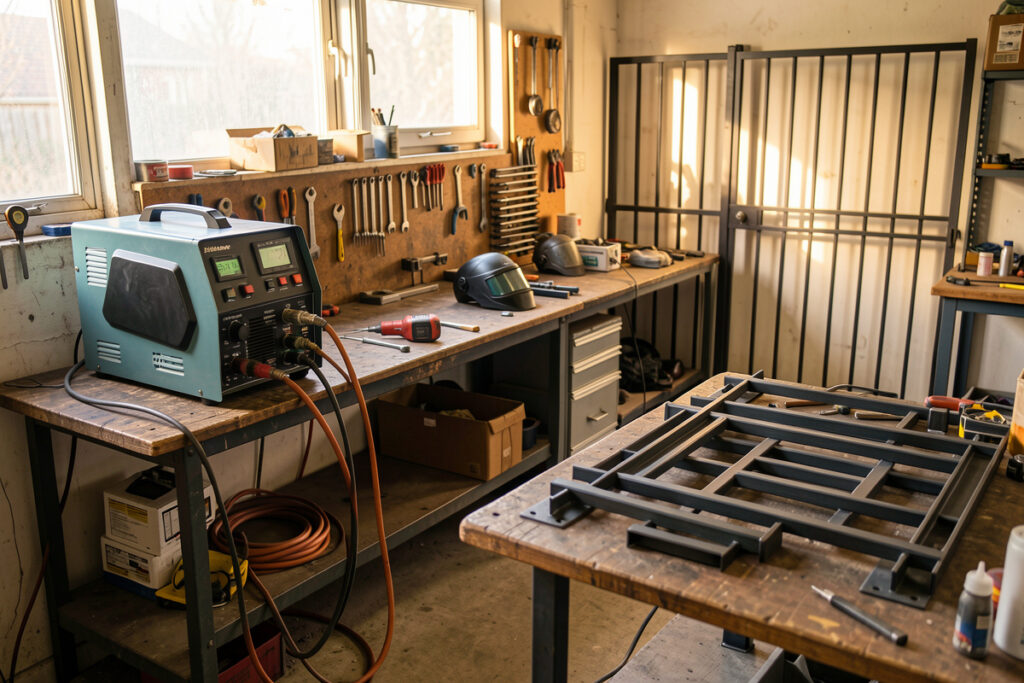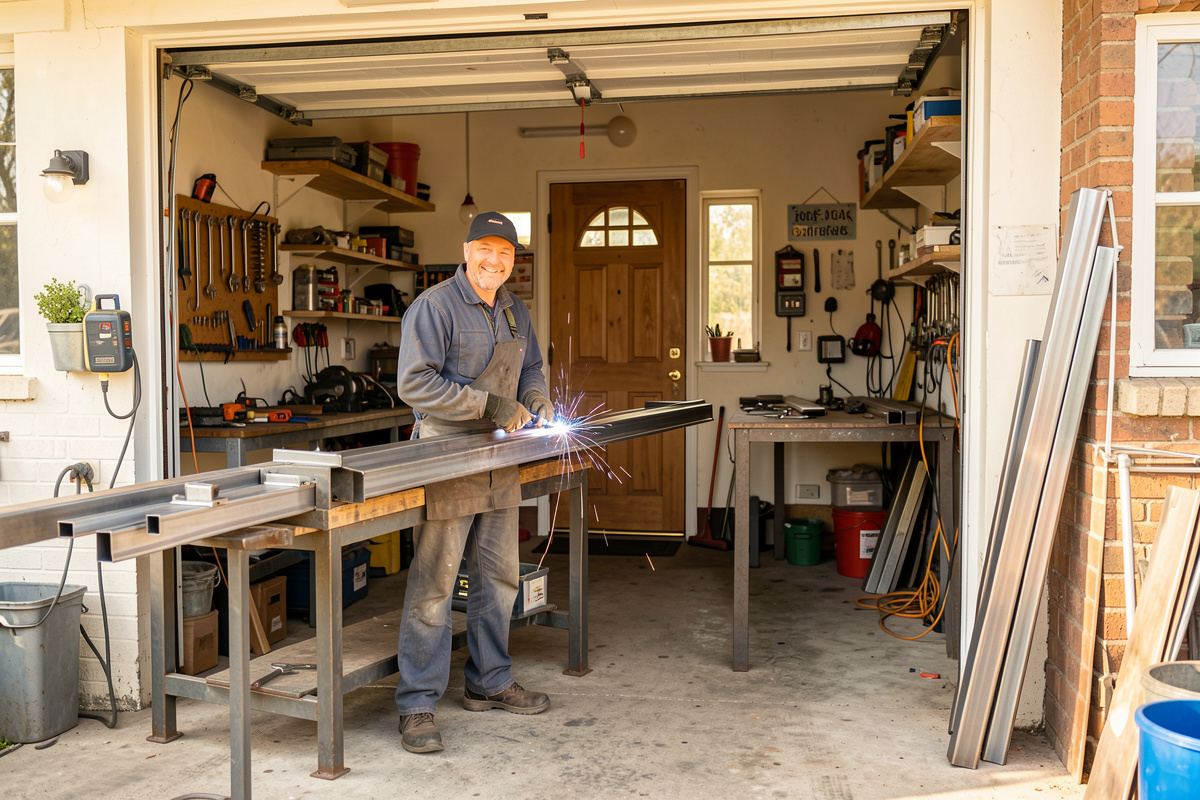

Marketing a welding business as a home welder is not about a logo or a big advertising budget — it is about being the welder people find the moment they need one, and the welder who actually calls back. In a local market, responsiveness and a few photos of clean, real work beat a slick brand that is slow to reply. Most early jobs come from word of mouth, local online groups, and a simple, trustworthy presence — and all of that is free.
I run my shop in Sweden alongside a CNC, a laser, and a 3D printer, and I have watched the same pattern hold across every kind of small maker work: the person who looks reachable and reliable wins the job over the person who is technically better but invisible or slow. This guide is the no-budget playbook for getting found, looking trustworthy, and turning one repair into a steady stream of the next — without spending money you have not earned yet.
Be Findable the Moment Someone Needs a Weld
People do not shop for a welder in advance; they search the day something breaks. So the whole game is being present and reachable at that moment of need. That means a basic, claimed listing wherever locals look — local business directories, map listings, and the community groups where people ask “does anyone know a welder?” A simple presence that states what you do, the area you cover, and how to reach you will out-earn a beautiful website nobody finds.
You do not need a custom site to start. A single page or even a well-filled free listing with photos, your service area, and a phone number is enough to begin. The mistake is investing in branding before you are findable in the three or four places your actual neighbours look. Get listed where the demand already searches, then improve from there as the work funds it.
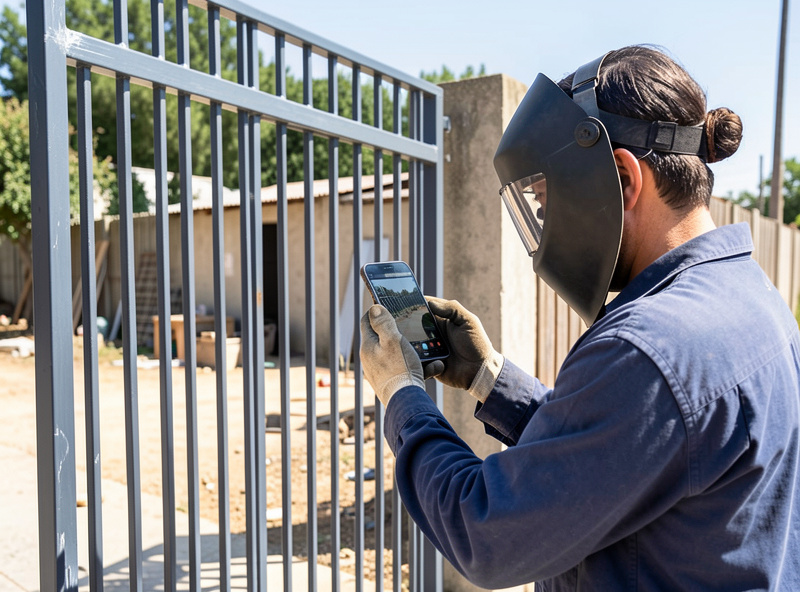
Photograph Your Work Properly — It Is Your Whole Portfolio
For a welder, photos do the selling. A potential customer cannot judge your penetration or your fitup, but they can absolutely judge whether your finished work looks tidy and whether the photo looks like a real job rather than a stock image. Good, honest photos of your own repairs and builds are the single most persuasive marketing asset you have, and they cost nothing but a few minutes and decent light.
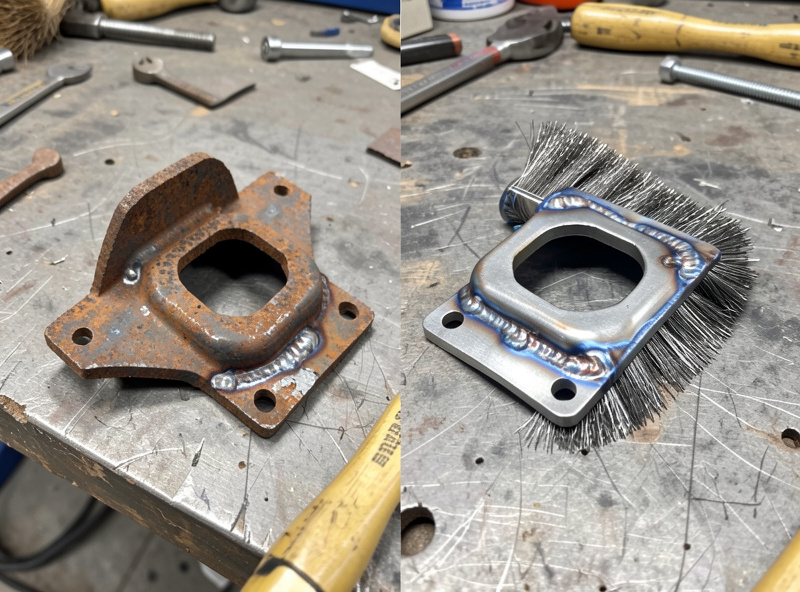
Shoot in daylight or bright shade, get the whole piece plus a close-up of the clean weld and finish, and keep the background uncluttered. Before-and-after pairs are gold for repair work — the rusted, snapped bracket beside the same bracket welded and wire-brushed tells the entire story without a word. Photograph every job you are proud of, with the customer’s permission, and you build a portfolio that grows itself. Quality matters here: a crooked, badly lit photo of good work undersells you, and a clean photo of clean work closes jobs.
Word of Mouth Is the Real Engine
In a small market, reputation travels faster than any advert — in both directions. A few clean jobs done on time turn into referrals that cost you nothing; a few botched or no-show jobs travel just as fast the other way and are far harder to undo. This is why I keep hammering on reliability over flash: the marketing that actually compounds is simply doing good work, on time, at a fair price, and being easy to deal with.
You can give word of mouth a nudge. Ask satisfied customers if they know anyone else who needs work, leave a card or two, and make it easy for a happy customer to recommend you by being memorable for the right reasons — showing up when you said, cleaning up after yourself, and pricing honestly per my guide to pricing welding jobs. Trade customers are especially valuable because they come back: a fabricator, landscaper, or farmer who trusts you becomes repeat work and referrals rolled into one.
Define What You Do — and What You Don’t
Clear positioning is marketing. Saying plainly what you take on — gate and trailer repair, railings, brackets, small fabrication — and what you refer elsewhere makes you look professional and saves everyone wasted calls. Turning down structural or code-critical work you are not qualified to certify is not bad for business; it builds trust, and the person you refer it to often refers the small stuff back to you. Honesty about your limits reads as competence, not weakness, and it keeps you on the right side of the certification line covered in welding certification value for business.
Niching also helps people remember you. “The welder who does farm and trailer repair” is easier to recommend than “a welder who does everything.” Pick the work that matches your gear and your area — if you are set up for mobile work, lead with the on-site angle, because that is the demand competitors who only work from a shop cannot serve.
Handle Enquiries Like the Job Depends On It — Because It Does
The fastest, cheapest marketing win available to a home welder is simply replying quickly and clearly. A huge share of small-job customers hire whoever responds first and seems competent and friendly, not whoever is cheapest or most skilled. Answer promptly, ask the right questions to scope the job, give an honest sense of timing, and follow up. Many small operators lose work purely by being slow to reply — which means responsiveness alone puts you ahead.
When you quote, be clear and itemise enough that the price feels fair rather than plucked from the air. A customer who understands they are paying for materials, your time, and a call-out is far more likely to say yes than one handed a bare number. The goal of every enquiry is not just this job but the next one and the referral — treat the first contact as the start of a relationship, and the marketing takes care of itself.
Build Repeat and Trade Relationships
The cheapest customer to win is the one who already trusts you, so the highest-leverage marketing is keeping the people you have already served. A homeowner needs a welder once or twice a year; a trade customer needs one constantly. Landscapers with broken equipment, farmers with endless gate and machinery repairs, small fabrication shops that overflow, and trailer owners are the relationships worth cultivating, because each one is recurring work and a steady source of referrals rolled together.
Cultivate them by being consistent: same fair pricing, same reliability, same quick replies every time, so they never have to think about whether to call you. A trade customer who knows you will answer and show up is worth more than a dozen one-off jobs you chase with adverts. Keep a simple record of who you have worked for and what you did — not for marketing tricks, just so you remember the job and the person next time they call. That small memory makes you feel like their welder rather than a stranger they are rehiring.
Marketing Mistakes Welders Make
The most common mistake is spending on branding before being findable — a logo and business cards while you are invisible in the places people actually search. Fix the listing and the photos first; the polish can wait until the work pays for it. The second mistake is using stock photos or other people’s work instead of your own; it reads as fake the moment a real customer compares it to the job you deliver, and honest photos of modest work beat borrowed photos of impressive work every time.
The third is being slow or vague in replies, which quietly loses more jobs than any pricing decision. And the fourth is over-promising — taking work outside your skill or gear to avoid saying no. One job that goes wrong because you stretched too far can undo a dozen good referrals in a small market. Market honestly, deliver what you promised, and let consistency compound; that is slower than a clever advert but far more durable.
Let the Rest of the Bench Sell For You
If you run more than just a welder, that breadth is a marketing angle in itself. Being able to combine welded steel with CNC-cut timber or 3D-printed parts lets you offer finished products and custom jobs a single-tool welder cannot — and “I can make the whole thing” is a strong pitch for custom work. The same workshop holding the welder, the CNC, the laser, and the printer means one project can be attacked from several angles, which is exactly the kind of capability worth showing off in your photos and listings. My piece on welding versus CNC routing and the welding side hustle ideas guide both feed straight into what you can advertise.
None of this needs money — it needs you to document what you already make and put it where people look. Mike, my welder friend with decades in the trade, never ran an advert in his life; his entire business was clean work, fast replies, and a phone that rang because the last twenty jobs went well. That is the whole secret, and it scales as far as your reliability does.
Further Reading
Marketing only works once the rest of the business is sound, so pair this with the guides that set your foundation: the full welding business and side hustle guide for the big picture, how to price welding jobs so the work you win actually pays, starting a mobile welding business if you take the arc to the customer, and welding side hustle ideas for what to sell in the first place. Get the work and the pricing right, photograph it well, reply fast — and let your reputation do the advertising.