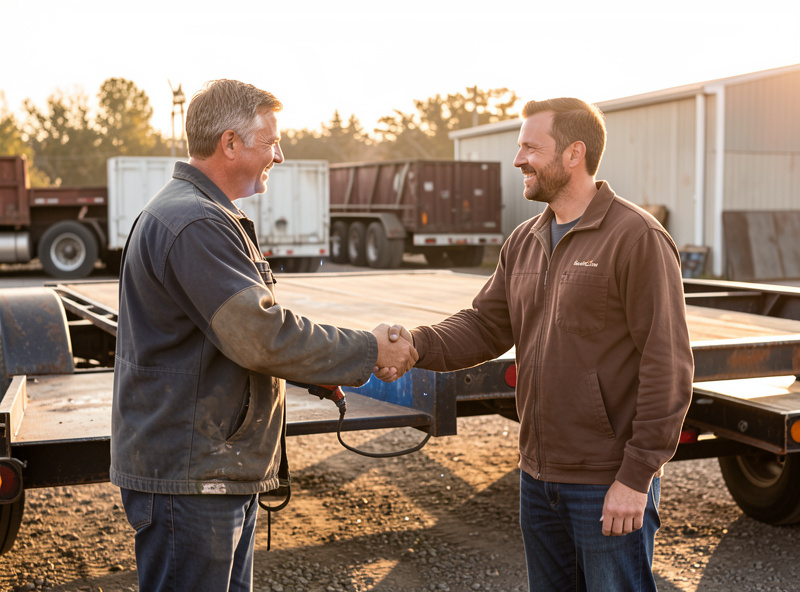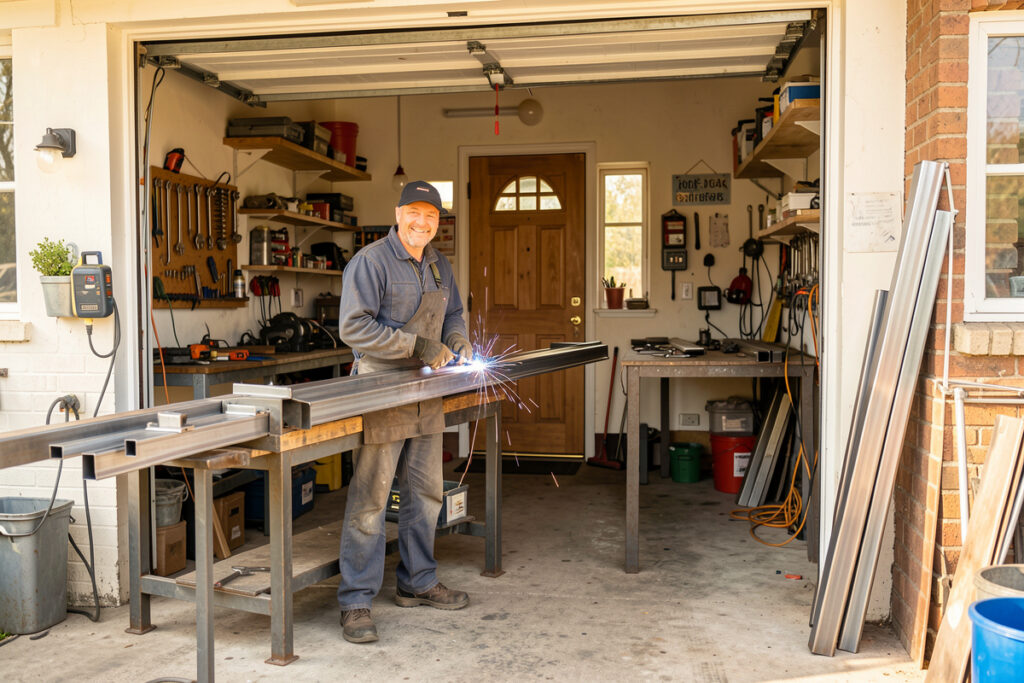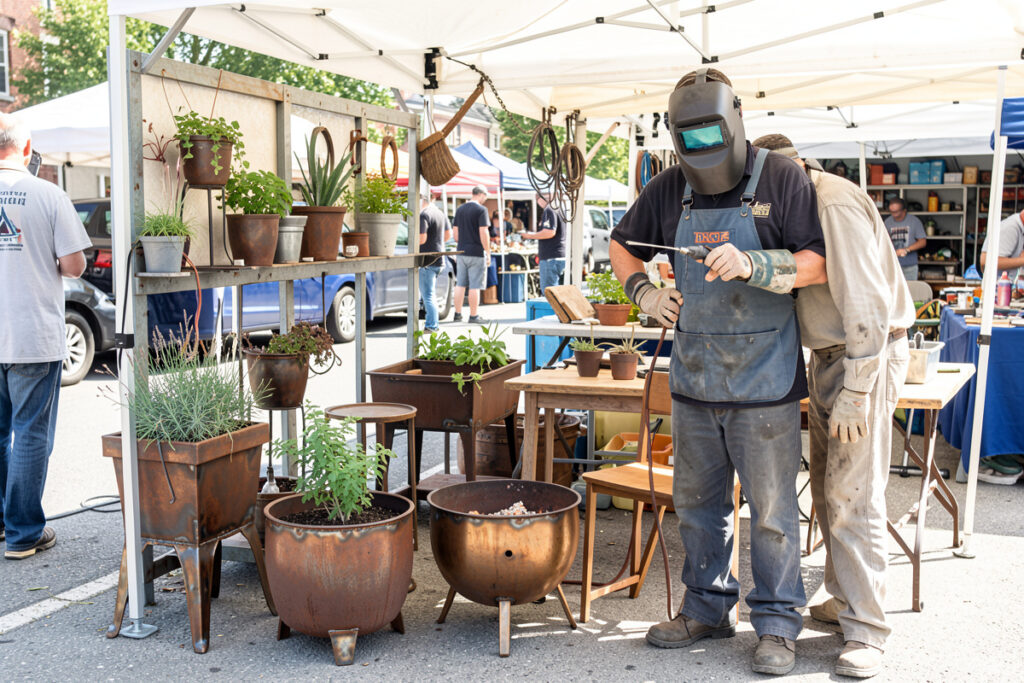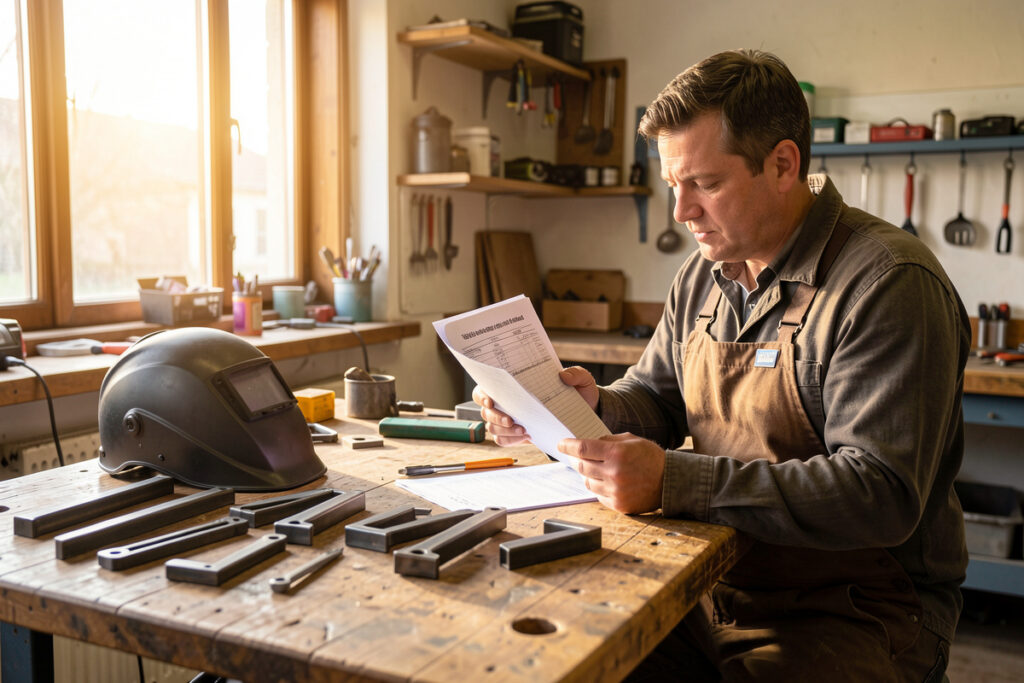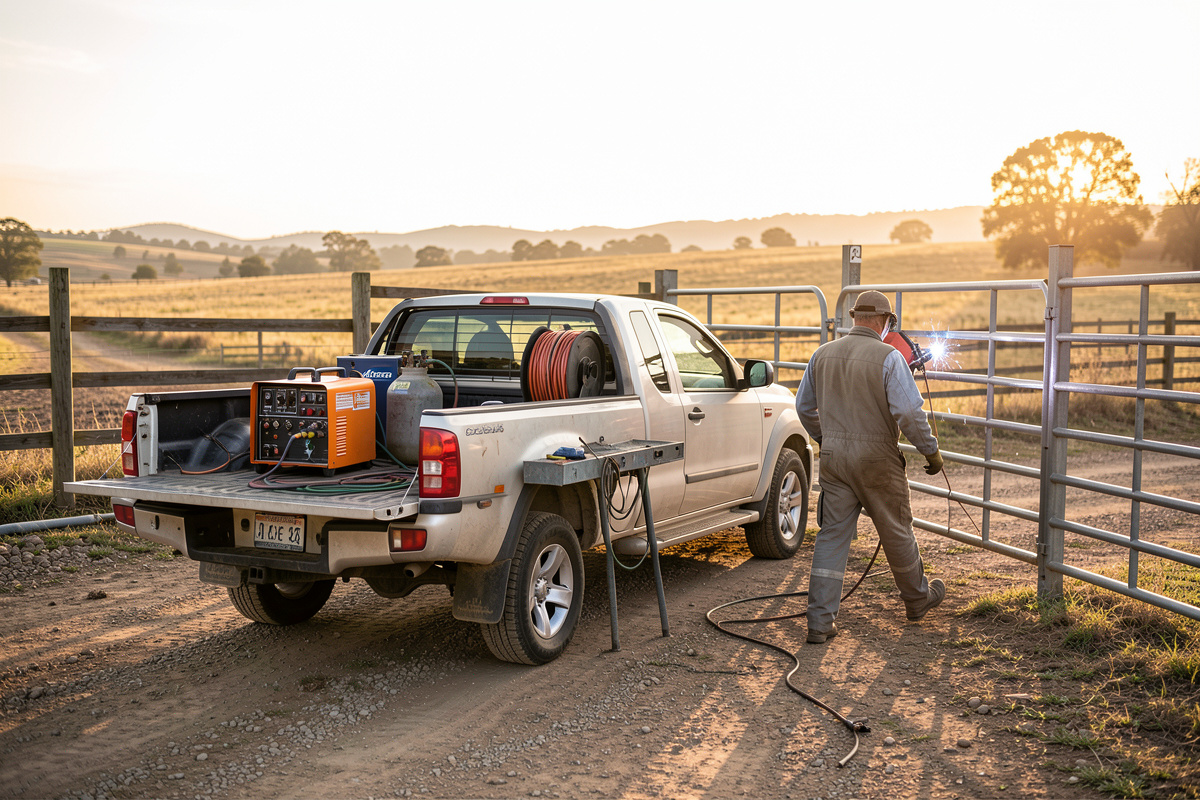

Starting a mobile welding business means taking the arc to the work instead of waiting for broken steel to come to you — and for most home welders it is the fastest way to find paying jobs, because the highest-demand repairs are on things that cannot move: gates, trailers, farm equipment, railings, and machinery already bolted in place. The trade-off is that you carry your power, your consumables, and your safety net to every site, and you work in whatever light and weather you are handed.
I run a YesWelder MIG-PRO205DS on its own argon setup and I keep stick gear for dirty outdoor steel — which, on location, is most of it. This guide is the practical path from “I can weld” to “I show up, fix it, and get paid,” built around what a home welder actually owns rather than what a fully-kitted commercial rig looks like. I am going to be honest about the parts that have nothing to do with welding, because those are the parts that decide whether this works.
What Mobile Welding Actually Is
Mobile welding is on-site repair and fabrication where you bring a portable power source and tooling to the customer. The defining constraint is power: away from a wall outlet you either run an engine-driven welder, a generator sized to your machine, or a battery/inverter solution for light work. Everything else — clamps, grinder, consumables, safety kit — is the same gear you already use, just packed to travel and survive a bumpy drive.
The work splits into two buckets. Reactive repairs are the bread and butter: a cracked bracket, a sheared hitch, a gate hinge torn off its post. Planned fabrication — handrails, frames, custom mounts — pays better per job but takes scheduling and measuring visits. Most mobile welders live mostly on reactive work at first because it is what people urgently search for, and it is forgiving of a beginner’s slower fabrication speed.
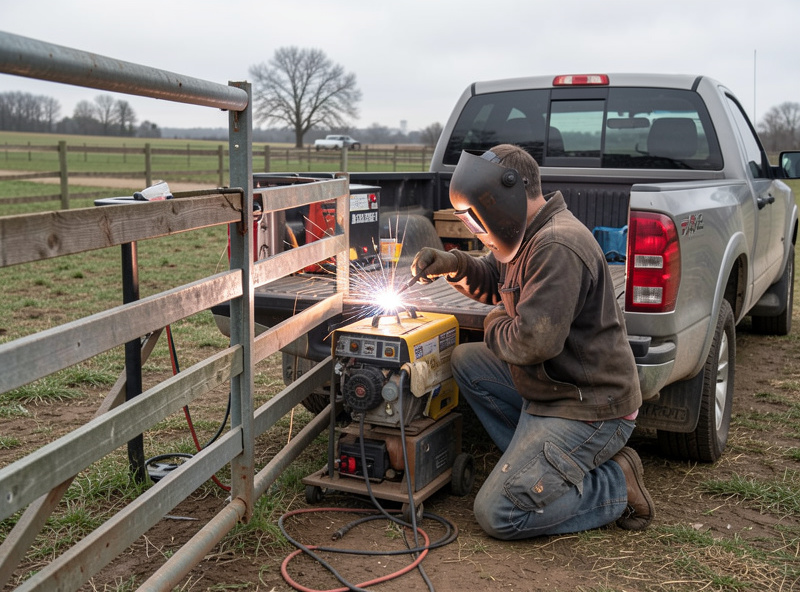
The Power Problem Comes First
Before anything else, solve power, because it dictates which jobs you can take. On grid-adjacent jobs you may simply run a long, properly-sized lead from the customer’s outlet — but an undersized cord starves an inverter and produces cold, ugly welds, so size it right. I run a heavy-gauge Iron Box extension cord for exactly this, and the gauge math is in my welding extension cord gauge guide. For true off-grid work you need an engine-driven welder or a generator with clean enough output and enough surge capacity for your machine’s draw.
This is the single biggest spend that separates a mobile rig from a garage setup, and it is where people overbuy. You do not need a commercial engine-drive to fix gates in driveways with grid power nearby. Match the power solution to the jobs you can realistically reach in your first season — the full power, transport, and storage build is covered in my welding trailer and mobile setup guide, and you should read it before buying anything heavy.
The Gear That Travels
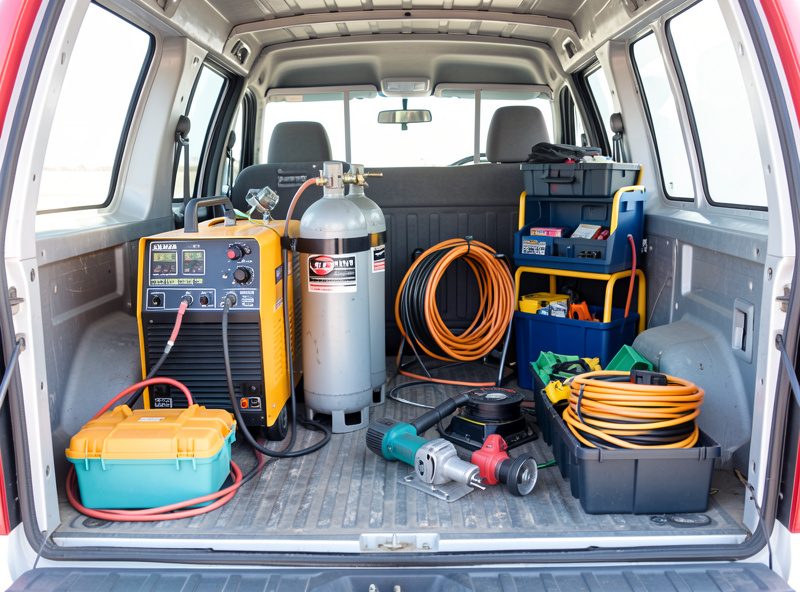
A mobile kit is your garage kit, ruthlessly edited for portability and redundancy. The machine matters less than you think — a capable inverter MIG handles most home-service work, and many mobile welders carry a stick setup precisely because stick tolerates wind, rust, and bad fitup better than gas-shielded MIG outdoors. My home MIG buyer guide and the piece on multi-process versus MIG cover the machine decision.
The unglamorous gear is what actually makes mobile work go: a reliable angle grinder with cut-off and flap discs, a fistful of clamps and magnets to substitute for the bench you left at home, a real auto-darkening helmet, leathers and gloves, and a fire extinguisher you can reach in two seconds. Carry doubles of the things that strand you when they fail — contact tips, discs, a spare gas regulator. On location, a missing consumable is a wasted trip, not a walk to the shelf.
| Common Mobile Job | Usual Process | What to Watch |
|---|---|---|
| Gate & fence repair | MIG or stick | Rust prep, alignment, dry grass underfoot |
| Trailer & hitch repair | MIG/stick on thicker steel | Load-bearing — refer structural cases on |
| Farm/equipment repair | Stick (dirty steel) | Unknown metal, hydraulic lines, fuel nearby |
| Railings & brackets | MIG | Fitup, finish quality, customer sightlines |
| Galvanized work | MIG/stick, ground back | Zinc fume — ventilate, never enclosed |
The Safety Stakes Are Higher On Location
Welding on someone else’s property changes the risk math completely, and this is the part I will not let you treat casually. Their dry grass, their fuel cans, their barn timbers, and their family are now inside your fire-watch radius. Spatter travels further than people expect and can smoulder for minutes after you stop — so before you strike an arc, look at what is behind, below, and downwind of the joint, clear or wet down combustibles, keep an extinguisher in arm’s reach, and do a fire watch after the work is done.
Fumes are the other on-site trap. A lot of farm and gate steel is galvanized, and welding zinc coating releases the fumes that cause metal-fume fever — grind the coating well back and stay upwind, and never weld galvanized in a closed barn or trailer. If you ever work in a tank, pit, or other confined space, remember that shielding gas like argon is an odourless asphyxiant that pools low. My welding safety guide, the galvanized steel safety rules, and the fume health risks breakdown are required reading before you take paid work in spaces you do not control.
The Business Side: The Part That Isn’t Welding
The welding is maybe a third of a mobile job; the rest is the phone call, the drive, the quote, the cleanup, and the invoice. Decide up front what you will and will not take on — turning down structural or code-critical work you are not qualified for is a feature, not a weakness. Be reachable, call back fast, and quote clearly, because in a small local market responsiveness beats raw skill for winning the job.
Pricing mobile work has its own wrinkle: you are paying for the drive, the setup, and the pack-down, not just arc time, so a minimum call-out fee protects you from losing money on a five-minute weld an hour away. I lay out the whole framework in how to price welding jobs — read it before your first quote. For finding those first customers without a marketing budget, the playbook is in marketing a welding business.
On the legal side: look into basic liability insurance before you weld on anyone else’s property, keep simple written records of what you quoted and did, and check your local rules on registering a small trade. I am a welder, not an accountant — for tax and registration specifics where you live, spend a few minutes with someone who handles that for a living. My friend Mike, decades in the trade, will tell you the paperwork and the slow seasons sank more one-man operations he knew than bad welds ever did.
How I Would Launch It
If I were starting mobile from a home setup, I would not buy an engine-drive on day one. I would take grid-adjacent jobs first with a properly-sized lead and the machine I already own, prove there is steady demand within a sensible drive, and only then invest in true off-grid power and a dedicated transport setup. Earn the demand, then buy the capability it reveals — the opposite order is how people end up with an expensive rig and a quiet phone.
As an Amazon Associate I earn from qualifying purchases. When portability finally becomes your real bottleneck, a compact inverter machine is the usual first upgrade — you can compare current options with an Amazon search for portable inverter welders. Beyond that, let the jobs you actually win tell you what to add next, whether that is more cable, better lighting, or a proper rack so nothing rolls around on the drive.
Frequently Asked Questions
Do I need an engine-driven welder to start mobile welding?
Not necessarily. Many mobile jobs are near a power outlet, so you can start with a properly-sized extension lead and the inverter machine you already own. An engine-driven welder or generator is only essential once you regularly take true off-grid work, so prove demand before making that large investment.
What jobs does a mobile welder get the most?
Reactive repairs dominate early on: gate and fence repairs, trailer and hitch fixes, and farm or equipment repairs on things that cannot be moved to a shop. These are forgiving of slower fabrication speed and are what people urgently search for, which is why they fill a beginner’s first season.
Is MIG or stick better for mobile welding?
Stick is often better outdoors because it tolerates wind, rust, and poor fitup far better than gas-shielded MIG, which loses shielding gas in any breeze. Many mobile welders carry both: MIG for clean railings and brackets, stick for dirty farm and gate steel in the open.
How do I price a mobile welding job fairly?
Charge for the whole trip, not just arc time. A minimum call-out fee covers your drive, setup and pack-down so a short weld an hour away does not lose money. On top of that, add materials at cost, consumables, and a margin for fuel and machine wear. Research local rates rather than copying the cheapest quote.
What safety risks are worse on location than in my garage?
Fire risk is the big one because you no longer control the surroundings: dry grass, fuel, and timber sit inside your spatter range, so clear combustibles, keep an extinguisher close, and run a fire watch. Galvanized farm steel also makes ventilation critical, since zinc fume in an enclosed barn or trailer is dangerous.
What should I avoid taking on as a new mobile welder?
Decline structural or code-critical work you are not qualified to certify, such as load-bearing building steel or anything an engineer must sign off. Turning those jobs down protects you legally and reputationally. Refer them to a certified welder and keep the repairs and light fabrication that match your skill and gear.