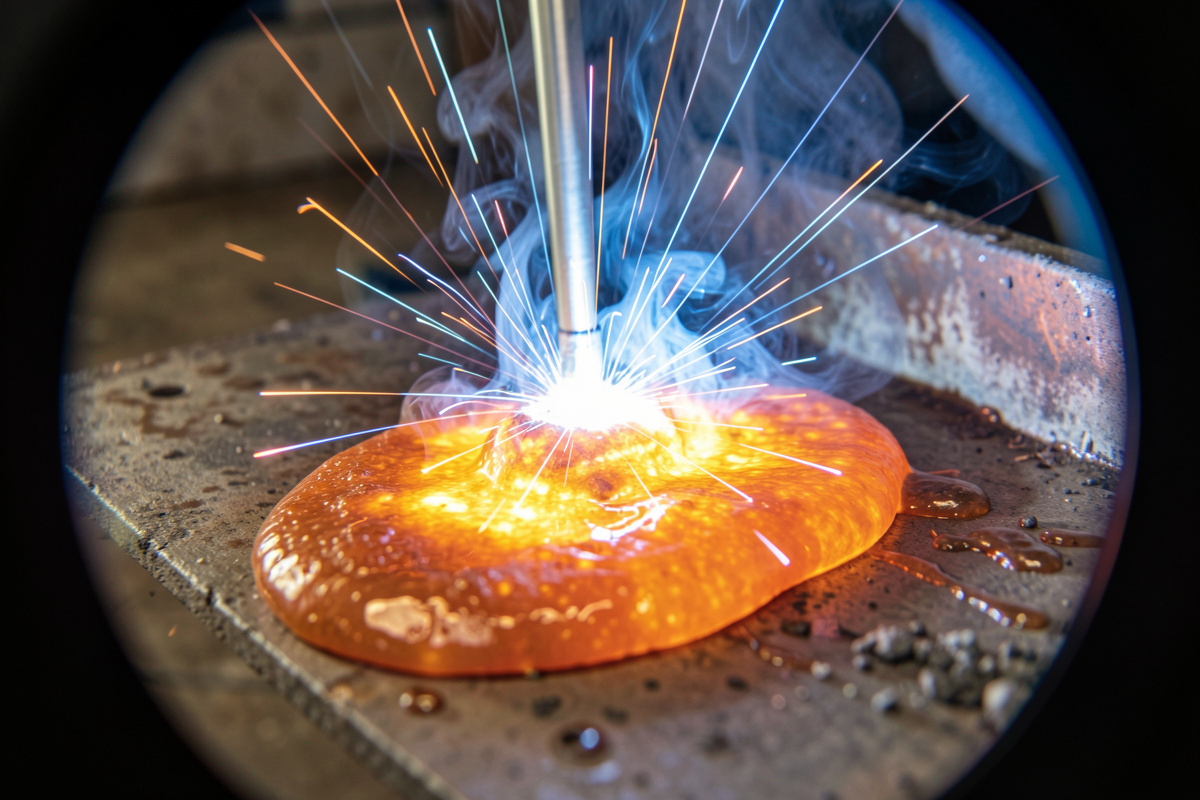

A true-color welding lens filters the arc across a wider light spectrum so you see the puddle in near-natural color instead of the traditional swampy green. Most true-color cartridges sit in the same DIN 9-13 shade range as a standard lens and typically cost around $30-60 more. For a home welder, it is worth it if you weld often or run TIG, where reading heat color and puddle detail matters. For occasional MIG tacking, a standard green lens does the job for less money.
I have welded through both, and true color is one of those upgrades you do not fully appreciate until you go back to green and everything looks like a night-vision movie. But it is not magic, and it does not make you a better welder on its own. Here is what true color actually changes, where it earns its price, and where it is a luxury a beginner can skip.
What “True Color” Actually Means
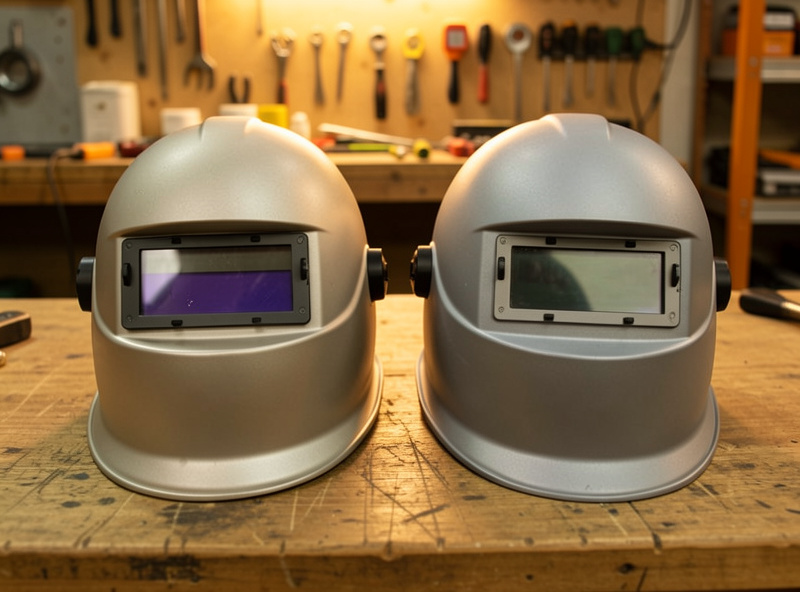
A traditional auto-darkening lens shades the arc down but shifts everything toward green, because the filter and liquid-crystal stack pass green wavelengths more than others. True-color cartridges — sold under names like true view, natural color, or color-boost — use a filter design that transmits a broader, more balanced slice of the spectrum. The result is that reds, oranges, and browns come through instead of being crushed into the green, so the scene looks closer to daylight with the brightness pulled down.
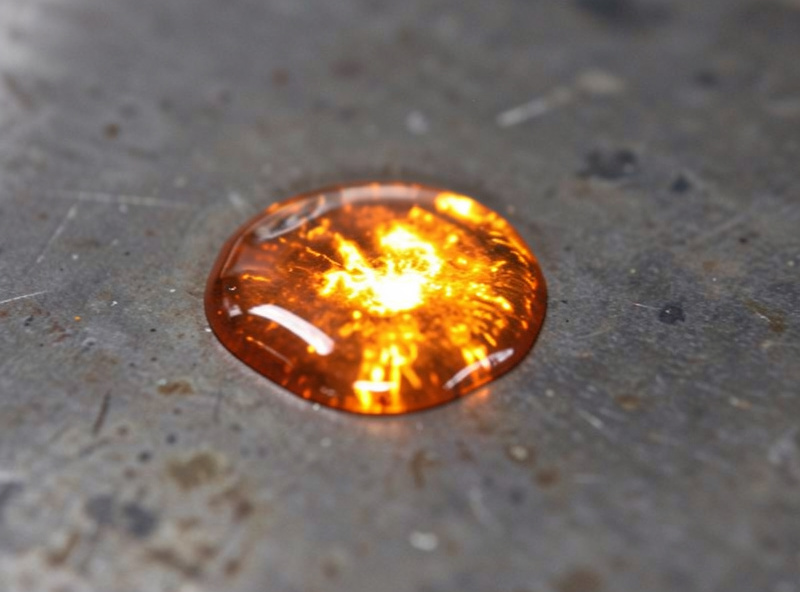
The practical payoff is contrast and detail. The molten puddle, the surrounding metal, the shadow of the joint, and the color of the heat all separate out more clearly. Your eye is not straining to pull a green-on-green image apart. That reduced strain is the quiet benefit people underrate — it adds up over a long session and leaves your eyes fresher at the end of the day.
Where True Color Actually Helps
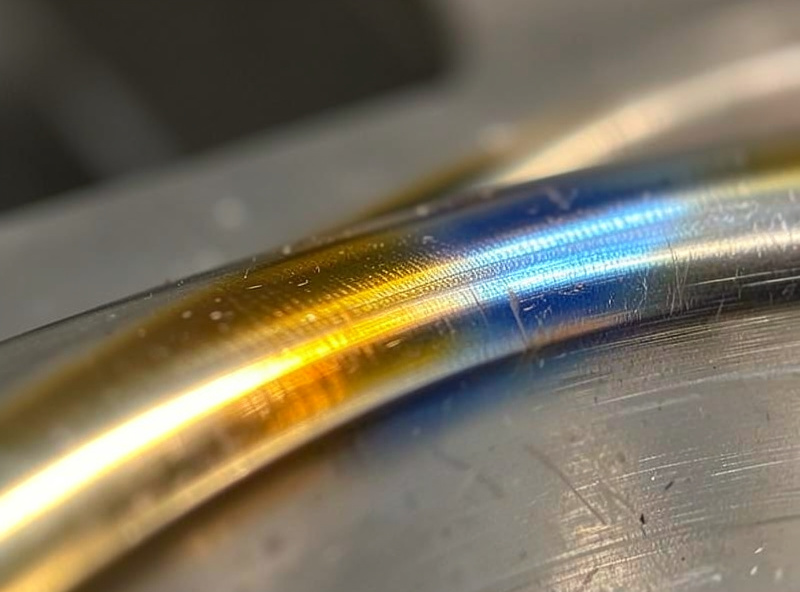
The single biggest win is TIG. TIG is a game of reading the puddle precisely — its size, its wetting, when to add filler — and on stainless it is also a game of reading temper colors, the straw-gold to blue tints that tell you how hot the metal got and whether you are burning up the corrosion resistance. Green monochrome flattens those color cues; true color hands them back. On my bench, TIG on stainless is where I most notice the difference.
It also helps anyone who welds a lot. Better contrast means quicker, more confident reads of the puddle edge, which shows up as fewer wandering tie-ins and better fusion awareness. If you spend real hours under the hood, the reduced eye fatigue alone can justify the upgrade. For MIG on plain steel, the benefit is real but smaller — the puddle is more forgiving and you are not chasing temper colors.
True Color vs Standard Green
Here is the honest side-by-side based on running both. Neither is unsafe — the UV/IR protection is identical when the shade number matches. The difference is entirely about how well you see the work and how tired your eyes get.
| Aspect | Standard green lens | True-color lens |
|---|---|---|
| Puddle visibility | Good, green-tinted | Better, natural contrast |
| Reading temper colors | Poor | Clear |
| Eye fatigue over a session | More | Less |
| Best process fit | MIG, stick | TIG, mixed, long sessions |
| Typical cost | Lower | Higher |
| UV/IR protection | Full at rated shade | Full at rated shade |
Where It Is Not Worth It
If you bought a welder to tack together the odd bracket or repair a gate a few times a year, true color is a nice-to-have you can skip. A solid standard-green cartridge with a good optical class and switching speed will serve you well, and that money is better spent on ventilation, gloves, or a cutting tool. True color does not improve penetration, fusion, or bead shape — it improves your view, and if your welding is occasional and forgiving, the standard lens shows you enough.
It is also not a substitute for the fundamentals. A true-color lens on a slow, distorting cheap cartridge is still a bad lens — switching speed and the EN 379 optical class covered in how auto-darkening lenses work matter more than color. Buy quality first, then decide if color is the upgrade you want on top.
My Verdict for a Home Welder
If you are past the beginner-tacking stage and you weld regularly — especially any TIG — true color is worth it, and I would buy it again. The natural view and the lower eye strain make the whole session more pleasant and your reads more confident. If you are brand new or only weld occasionally, spend your money on a quality standard-green helmet and the safety gear around it first, then upgrade to true color later once you know you will use the machine.
When you do buy, do not let “true color” distract you from the specs that keep your eyes safe. Check switching speed, sensor count, and optical class alongside the color feature. As an Amazon Associate I earn from qualifying purchases. A good starting point is a true-color auto-darkening welding helmet, and keep a pack of cover lenses on hand so spatter never ruins that nice view.
Marketing Names and What to Trust
“True color” is not a regulated term, so brands stamp all sorts of names on the box — true view, natural color, color vision, real color. Most deliver a genuinely wider spectrum, but a few slap the label on a lens that is only marginally less green than standard. The tell is the same as always: a brand serious about its cartridge still publishes the switching speed — a good lens darkens in roughly 1/20,000 to 1/30,000 of a second — and the EN 379 optical class, ideally 1/1/1/1 or 1/1/1/2, and a true-color claim on a lens hiding those numbers is worth nothing. Color is meaningless if the underlying lens is slow or distorted.
You can also sanity-check it in person if you get the chance — look at a color object like your gloved hand or a printed label through the lens in its light state. A real true-color lens shows recognizable colors; a warmed-over green lens still washes everything toward green. I would not pay a big premium on the color claim alone without seeing the supporting specs. Treat true color as a tie-breaker between two otherwise good helmets, not as a reason to buy a cartridge that skimps on the fundamentals.
Fitting It Into the Whole Helmet Picture
True color is one feature among several, and it interacts with the rest. It pairs naturally with a good shade range so you can run the right DIN for the job — see the shade chart — and with well-set sensitivity and delay so the lens catches your arc cleanly enough to enjoy the improved view. For the full decision on choosing a helmet around these features, work through the auto-darkening welding helmet guide. Color is the finish, not the foundation.
Frequently Asked Questions
Is a true-color welding helmet worth it?
For frequent welders and anyone doing TIG, yes — the natural view improves puddle visibility and reduces eye fatigue. For occasional MIG tacking, a quality standard-green lens is enough and costs less.
What is the difference between true color and a normal welding lens?
A normal lens tints everything green; a true-color lens passes a wider light spectrum so you see near-natural colors. This improves contrast and lets you read heat and temper colors that green monochrome hides.
Does true color make welding safer?
The UV and infrared protection is the same as a standard lens at the same shade number. True color does not add protection — it improves visibility and reduces eye strain, which can help you weld more accurately.
Is true color better for TIG welding?
Yes. TIG relies on precise puddle reading, and on stainless the temper colors matter. True color makes both far easier to see, which is why it is most valuable for TIG among the home processes.
Should a beginner buy a true-color helmet?
Not necessarily first. A beginner is better off buying a quality standard-green helmet with good switching speed and optical class, plus safety gear, then upgrading to true color later once welding becomes a regular habit.

Discussion (0)