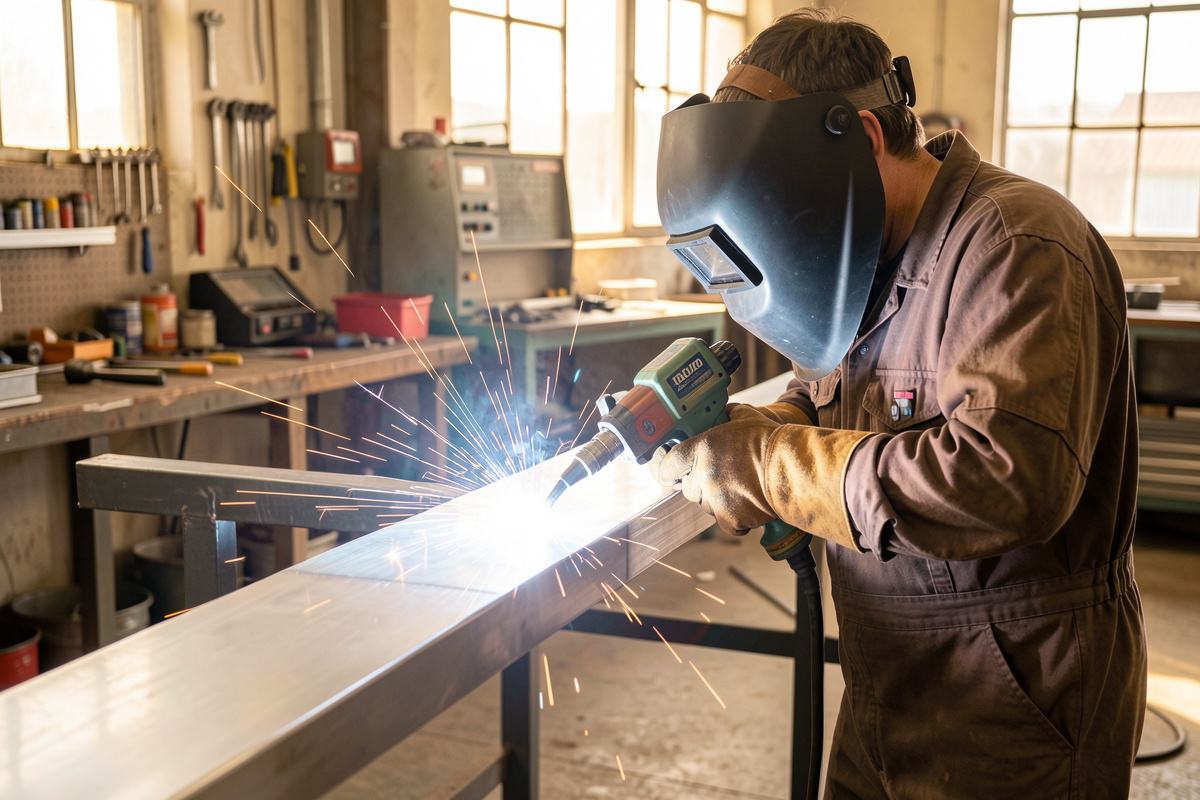

On aluminum MIG you push the gun — lead the puddle with the torch tilted forward about 10 to 15 degrees — which is the exact opposite of the drag angle you use on steel flux-core. Pushing throws the argon shield out ahead of the arc so it cleans oxide off the metal a beat before the puddle arrives. Drag on aluminum and you weld straight through dirty oxide.
This single reversal breaks more crossover welders than any other habit, and I was one of them. I came to aluminum with a couple of years of steel muscle memory that said drag so you can see the puddle and keep the slag behind you. First aluminum joint, I dragged out of pure instinct and laid down a gray, spitting bead that looked like it had been rolled in ash. Mike, my welder friend, watched me do it, laughed, and said one word: “push.” I flipped the angle and the same joint went bright and quiet. Nothing else changed. That is how much direction matters on this metal.
What Does “Push” Actually Mean on a MIG Gun?
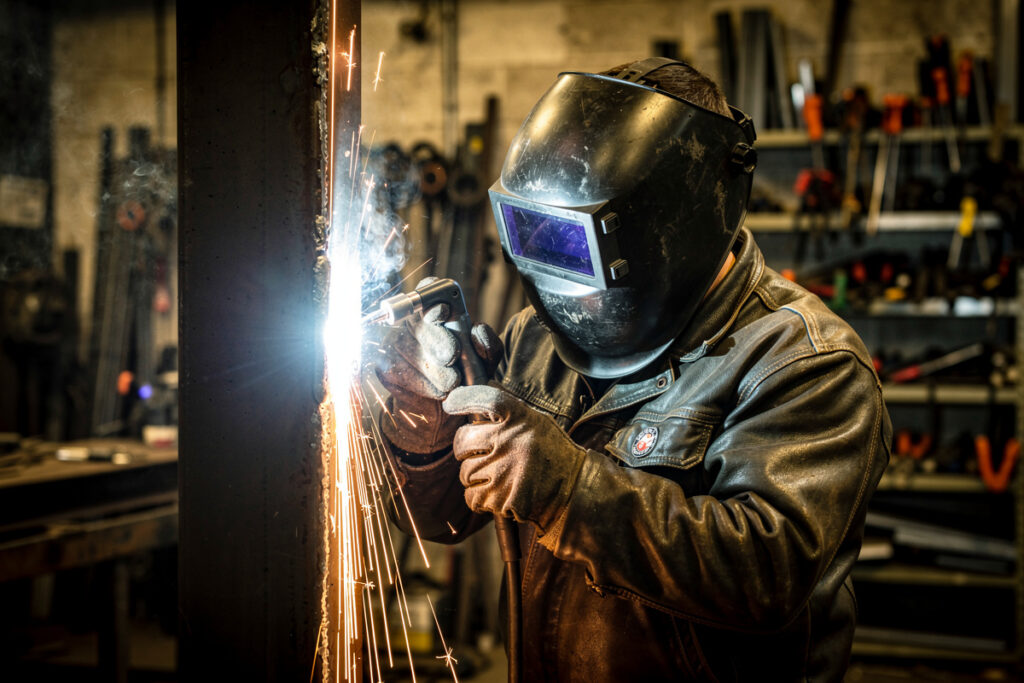
Pushing means the gun points in the direction of travel — the nozzle leads and the wire angles back toward the finished weld, tilted roughly 10 to 15 degrees off vertical. You are moving toward where the gun is aimed. Dragging is the reverse: the gun trails, aimed back at the weld you just laid, and you pull it away from the bead.
The easy way to keep it straight: when you push, you cannot see quite as much of the finished bead because the nozzle is in front of it, and the shielding gas fans out ahead onto clean metal. When you drag, the bead is in full view behind the nozzle and the gas trails back over it. On steel with flux-core, drag wins because the slag needs to stay put behind the arc and you want eyes on the puddle. On aluminum there is no slag, and the priority flips entirely to getting shielding gas onto the metal before the arc melts it. That is the whole logic. If you want the general framework across both metals, my MIG push vs pull technique guide lays out when each one wins.
Why Does Pushing Clean the Aluminum Ahead of the Arc?
Pushing aims the argon flow forward onto the metal a fraction of a second before the arc reaches it, blanketing the surface and helping the arc’s cathodic action strip oxide from clean base metal. You get a bright, etched zone leading the puddle. Drag the gun and the gas trails behind, so the arc hits raw, unshielded oxide first — and that oxide ends up in the weld.
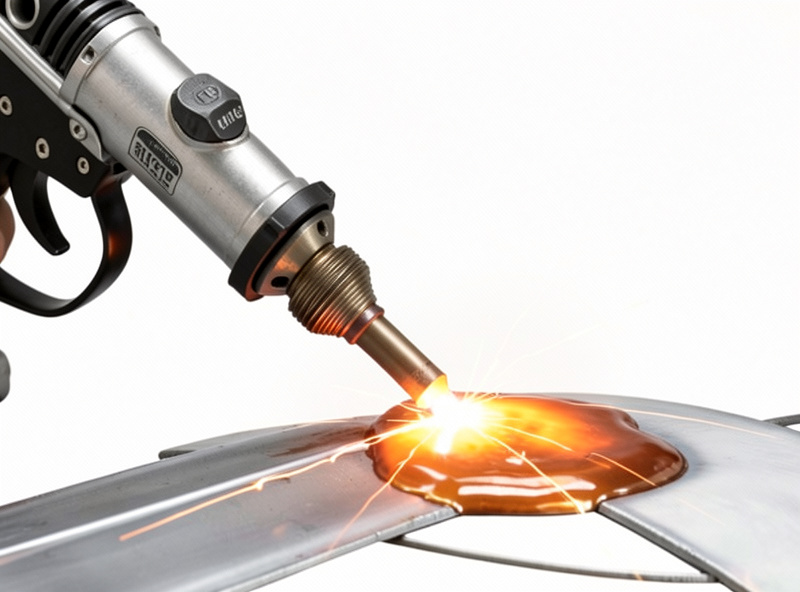
Watch a clean aluminum push weld under the hood and you can actually see it work. Just ahead of the puddle there is a bright, frosty-looking band where the arc’s cleaning action has knocked the oxide off — the metal goes from dull to shiny a hair before it melts. That band only appears when the gas gets there first, which means pushing. It is the same reason we clean the joint mechanically beforehand, covered in cleaning aluminum before welding — you strip the heavy oxide with the brush, and the push angle handles the thin flash that regrows in the seconds before the arc arrives. Miss either one and the oxide, which melts at 3,700°F over 1,220°F base metal, folds into the bead as inclusions. The underlying reason oxide is such a menace is in my welding aluminum metallurgy notes.
Push vs Drag on Aluminum: Side by Side
The difference is not subtle once you have run both on the same plate. Here is what each angle does on aluminum specifically — not steel, where the answers partly flip.
| Factor | Push (correct on aluminum) | Drag (wrong on aluminum) |
| Gas coverage | Shield leads onto clean metal ahead of arc | Shield trails behind; arc hits bare oxide first |
| Oxide cleaning | Bright etched zone ahead of puddle | Oxide folds into the weld as inclusions |
| Bead look | Bright, flat-to-slightly-crowned, clean edges | Gray, sooty, ropey, dull |
| Penetration | Slightly wider, flatter, good wetting | Deeper but narrow, prone to lack of fusion |
| Spatter | Low and fine | Higher, coarse, scattered |
Notice penetration is the one place drag has a theoretical edge — it digs a bit deeper. On steel that sometimes matters enough to choose drag. On aluminum, the oxide contamination from dragging costs you far more than the slight penetration gain buys, so push wins outright. If you genuinely need more penetration on aluminum, you get it with heat and travel speed and preheat, not by dragging — the same heat management that beats warp and burn-through, and the broader welding distortion control techniques.
How Much Should You Angle the Gun?
Keep the push angle modest — about 10 to 15 degrees off perpendicular, leaning in the direction of travel. Too little and you lose the forward gas coverage that makes pushing work. Too much, past 20 to 25 degrees, and you start pulling air into the shield and thinning the argon blanket, which reintroduces the exact porosity you were avoiding.
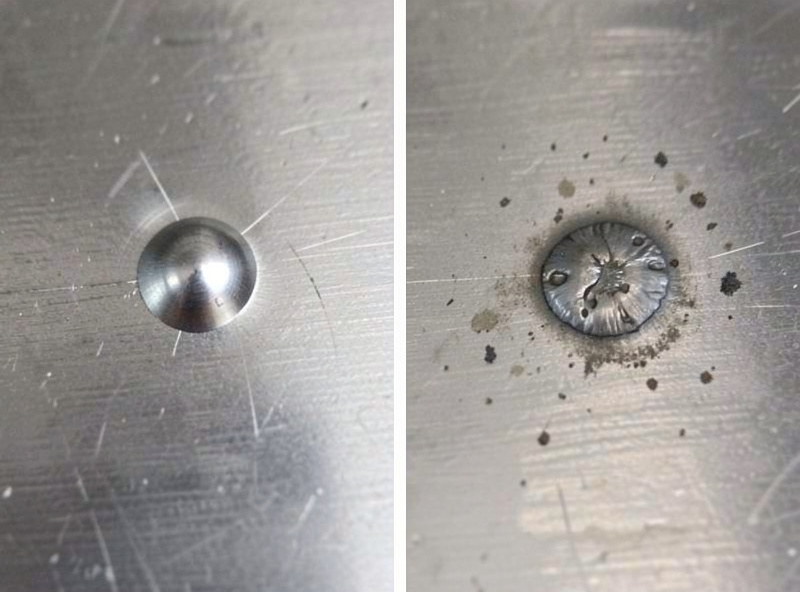
There is a real Goldilocks window here. I run somewhere around 10 to 15 degrees on the MIG-PRO205DS and let the puddle tell me if I have drifted. Lay the gun too flat and the arc force starts pushing the puddle around instead of into the joint, and the shielding gas gets turbulent — you will see the bead go dull and start picking up porosity even though your prep was good. Steep angle is a sneaky cause of “why is my clean joint still porous” because it looks like you are pushing correctly. Keep it gentle. Consistent stickout matters just as much — contact-tip-to-work distance that wanders will change your arc as much as angle does, a fundamental I lean on across the whole MIG welding aluminum guide.
Does Travel Direction Change Push and Drag?
Push relative to your travel, whichever way you weld — left to right or right to left, the gun still leads the puddle. What changes is your body position and sightline, not the principle. Right-handed, I find pushing left-to-right natural; pushing the other way I have to reposition so I am not craning to see past the nozzle.
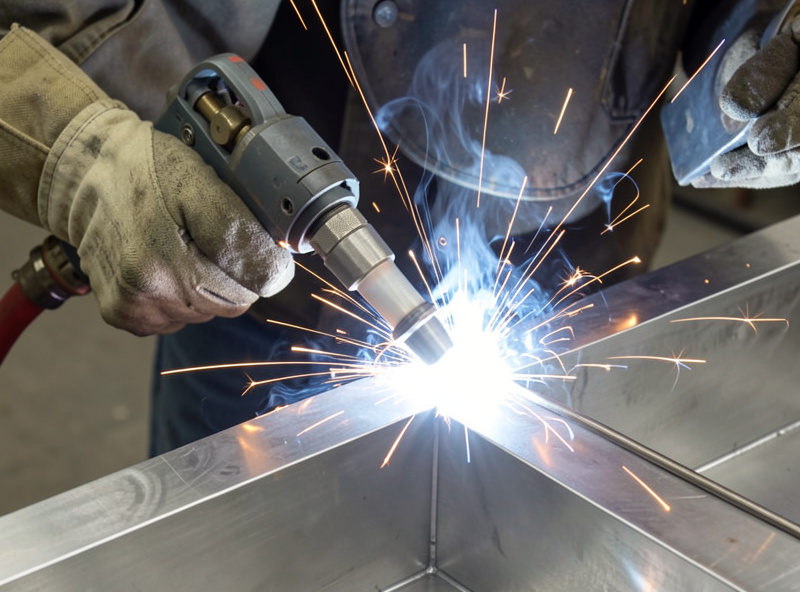
The mistake here is letting your hand default to a comfortable angle that happens to be a drag when you switch directions across a part. On a long joint or a box frame where you have to weld in different directions, consciously reset the gun to lead every time you change heading. I catch myself sliding into a drag on the awkward direction and the bead tells on me instantly — it goes gray. One trick from Mike: mark the travel direction with a soapstone arrow on longer joints when you are still building the habit, so your eye keeps reminding your hand which way the gun should lean. It feels remedial for about a week and then it is muscle memory.
Retraining Your Hand From Steel to Aluminum
If you have steel-drag muscle memory, the fastest fix is deliberate reps on scrap: run six inches of clean 1/8-inch aluminum consciously pushing, stop, check the bead, repeat. Do not switch metals mid-session while you are learning — the angle flip is exactly the kind of thing that reverts under pressure when you have been dragging steel all afternoon.
What finally set it for me was a dedicated aluminum practice session with nothing but scrap and a fresh spool of 4043. No project pressure, no steel in the mix, just push, look, push, look until the clean bright bead was the only one my hand knew how to make. The failure I want you to skip is the one I hit: welding an actual aluminum part on a day I had been running steel, reverting to drag without noticing, and finding out the bead was contaminated only after I ground into it and saw the porosity. Keep the two metals in separate sessions until push is automatic. Once it is, aluminum stops feeling backwards — it just feels like aluminum. The whole reason this metal has its own rulebook, from gas to feed to direction, ties back to the physics I walk through in the complete aluminum MIG workflow.
Why do you push instead of drag on aluminum MIG?
Because aluminum has no slag and the whole game is oxide management. Pushing throws the argon shield ahead of the arc so it covers and helps clean the metal before the puddle reaches it. Dragging trails the gas behind, so the arc hits unshielded oxide first and folds it into the weld as inclusions.
What angle should I hold the gun for aluminum MIG?
About 10 to 15 degrees off perpendicular, leaning forward in the direction of travel. Too little and you lose forward gas coverage; more than about 20 to 25 degrees pulls air into the shield and causes porosity. Keep the push angle modest and consistent.
Can I drag on aluminum if I want more penetration?
No. Dragging does dig slightly deeper, but on aluminum the oxide contamination it causes costs you far more than the penetration gains. If you need more penetration, get it with more heat, preheat, and a slower or steadier travel, not by dragging the gun.
Why is my aluminum weld gray even though I cleaned it?
A common cause after good prep is dragging instead of pushing, or a gun angle so steep it pulls air into the shield. Both let oxide and atmosphere into the puddle. Flip to a modest 10 to 15 degree push angle and the bead should brighten up immediately.

Discussion (0)