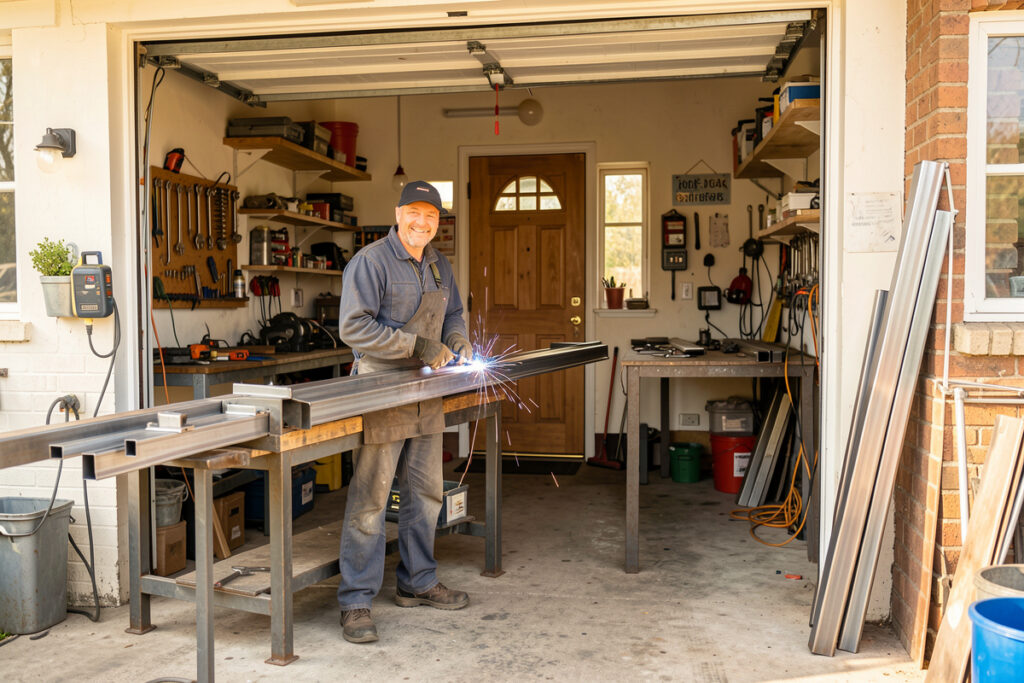

Pricing is the skill that decides whether a welding side hustle pays you or quietly drains you, and it has almost nothing to do with how good your beads look. The reliable method is cost-plus: add up your time at a fair hourly rate, materials at cost, consumables, and a margin for overhead, then quote that — never just undercut the cheapest welder in your area. Most home welders who fail at this fail the same way: they price the arc time and forget everything around it.
I am deliberately not going to print dollar figures in this guide. Welding rates swing so hard by region, gear, and job type that any number I invented would be wrong for most of you and would read as a fake promise. What I will give you is the framework — the exact components to add up and the traps that eat your margin — so you can plug your own honest local rates in and quote with confidence. Get this right on job one, because the pricing habits you set early are the ones you keep.
Cost-Plus: The Only Method That Survives Contact With Reality
Cost-plus pricing means you build a quote from your actual costs upward, rather than guessing a round number or matching a competitor. The four building blocks are labour, materials, consumables, and overhead-plus-margin. Get all four into every quote and you will rarely lose money; leave one out — usually overhead — and you can stay fully booked while going backwards.
The mental shift that matters most: you are not selling welds, you are selling a solved problem, and the price reflects the value and the true cost of solving it. A ten-minute weld that saves someone a new trailer is worth more than the arc time suggests, and pricing purely by the minute leaves that value on the table while still failing to cover your overhead.
The Four Things Every Quote Must Cover
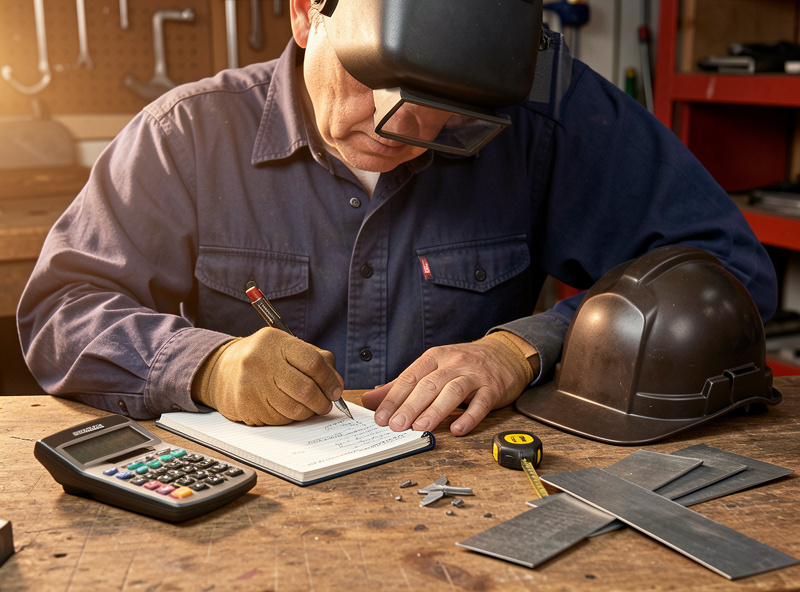
Break every job into these components before you name a price. The first one is obvious; the rest are where beginners bleed money.
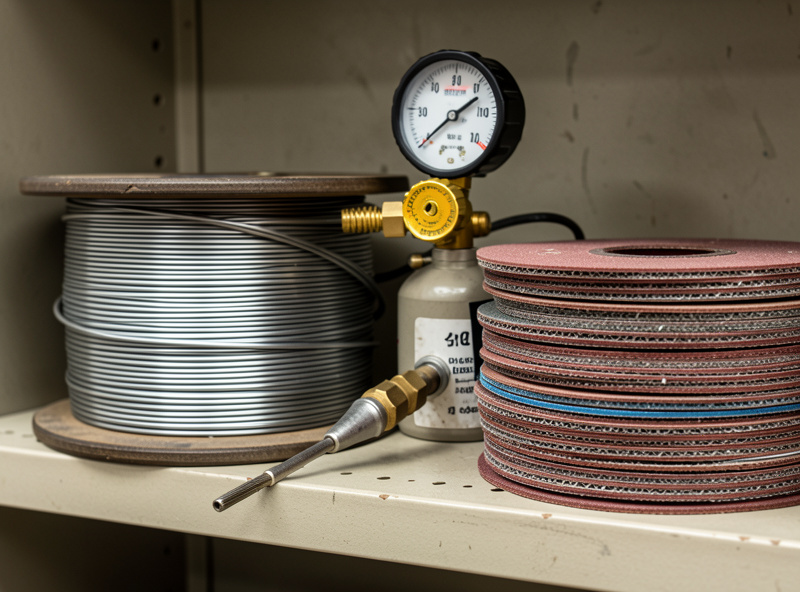
Labour is your time at a rate you would actually get out of bed for — and it includes prep, fitup, grinding, and cleanup, not just arc-on time. Materials are steel and hardware at your real cost, ideally with a small markup for the time and fuel spent sourcing them. Consumables are the silent killer: wire, gas, grinding and cut-off discs, contact tips, and antispatter all get used on every job and must be costed in — my welding consumables cost guide breaks down what each job actually burns. Overhead and margin covers machine depreciation, electricity, fuel to the job, insurance, and the quotes that never become jobs.
| Cost Component | What It Includes | Why Beginners Miss It |
|---|---|---|
| Labour | Prep, fitup, welding, grinding, cleanup | They count only arc-on time |
| Materials | Steel, hardware, at cost + sourcing time | They forget the time spent buying it |
| Consumables | Wire, gas, discs, tips, antispatter | Feels “free” because it is already on the shelf |
| Overhead + margin | Machine wear, power, fuel, insurance, dead quotes | Invisible until the machine needs replacing |
Run a job through all four and you will often find the price needs to be meaningfully higher than your gut said. That gap is exactly the money that keeps a side hustle alive instead of slowly consuming the gear you already paid for.
Hourly Rate vs Fixed Quote
You will price jobs two ways, and knowing which to use protects you. An hourly rate suits open-ended diagnostic or repair work where you cannot predict the scope — you charge for the time it actually takes. A fixed quote suits defined fabrication where you can measure and plan the whole job — the customer gets price certainty and you get rewarded for working efficiently.
The danger zone is giving a fixed quote on a job whose scope you do not understand yet, especially something you have never built. For those, quote a fixed price for a defined deliverable and bill hourly for genuine surprises — and say so up front. For diagnostic repairs, an hourly rate with an honest estimate of the likely range keeps everyone calm. When you do quote a fabrication you have not built before, break it into operations you have done, time each, add them up, then add a buffer because the first one always takes longer.
The Minimum Call-Out Fee
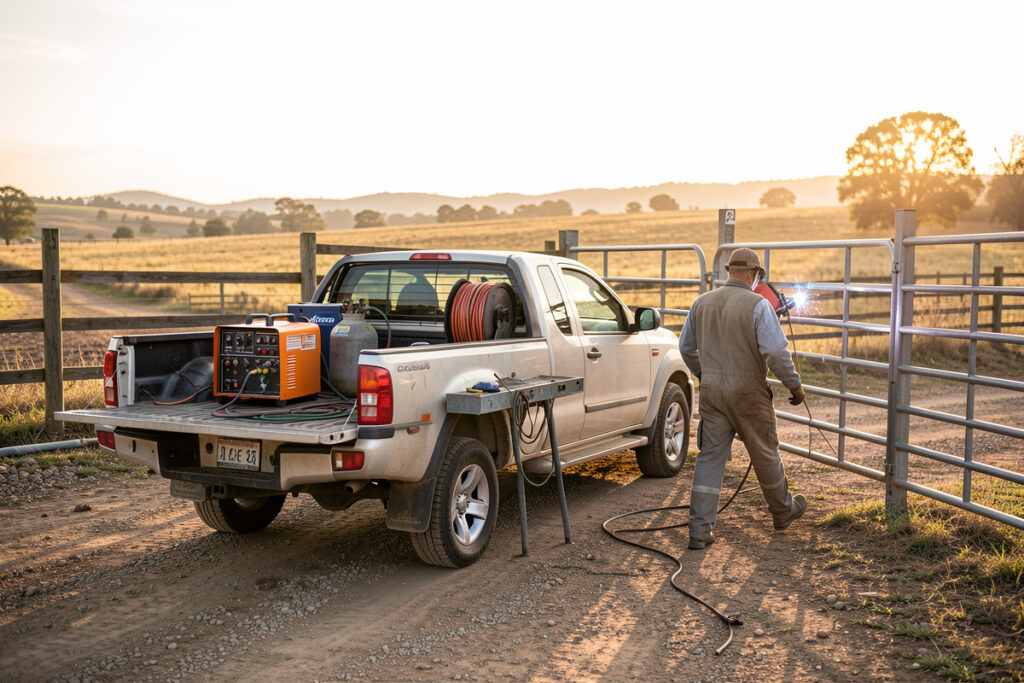
If you do any mobile or on-site work, a minimum charge is non-negotiable. A short weld an hour’s drive away can cost you half a day once you count travel, setup, and pack-down — so a minimum call-out fee makes sure the smallest job still pays for the trip. Without it, the most annoying jobs are also the least profitable, which is a fast route to resenting your own business.
Set the minimum to cover your round trip plus a baseline of time, and state it before you drive out so there are no surprises. Customers understand it; a plumber or electrician charges the same way. The mobile-specific pricing and logistics are covered further in starting a mobile welding business and the rig itself in the welding trailer and mobile setup guide.
What Drives the Price Up or Down
Several real factors justify charging more, and recognising them stops you from underquoting hard jobs. Material thickness and type matter — thick plate, stainless, and aluminum take more skill, more consumables, and more time than tacking mild-steel brackets. Position matters: out-of-position and overhead welds are slower and harder than flat work. Access, rust, unknown metal, and finish expectations all add time, and finish is the one customers notice most.
Metal identification alone can swing a job — welding the wrong filler to mystery steel is how repairs fail, and figuring out what you are dealing with takes time you should price in. My guides on identifying mystery steel and steel types for welding cover why this matters. The cleaner the metal arrives and the simpler the access, the faster the job — and you can pass some of that saving on, or not, but you should always know which kind of job you are quoting.
Pricing Mistakes That Quietly Kill the Hustle
The number-one killer is racing competitors to the bottom. There is always someone willing to weld for less than it costs them; matching that person just means you both lose money, only slower. Compete on reliability, finish, and being easy to deal with — not on being cheapest. The second killer is the “quick favour” that balloons: a free or near-free job for a friend that eats a Saturday and sets a price expectation you cannot escape.
Other traps: not charging for quotes that require a site visit and detailed measuring on complex jobs; forgetting that consumables and machine wear are real recurring costs; and never reviewing your prices as your steel and gas costs rise. Mike, my welder friend with decades in the trade, says the welders who lasted were rarely the most talented — they were the ones who priced their time honestly and stuck to it when a customer pushed back. Build your costing baseline from my cost to start welding at home guide, and revisit your numbers every season.
Frequently Asked Questions
How do I price a welding job if I have never built it before?
Break the unfamiliar job into smaller operations you have done before, time each one, add them up, then add a buffer because a first build always takes longer than expected. Quote a fixed price for the defined deliverable and agree to bill hourly for genuine surprises, telling the customer that split up front.
Should I charge by the hour or give a fixed price?
Charge hourly for open-ended diagnostic or repair work where the scope is unpredictable, so you are paid for the time it truly takes. Use a fixed quote for defined fabrication you can measure and plan, which gives the customer price certainty and rewards you for working efficiently.
What costs do beginners forget when pricing welding work?
Consumables and overhead. Wire, gas, grinding discs, contact tips, and antispatter feel free because they are already on the shelf, but they are used on every job. Overhead like machine wear, electricity, fuel, insurance, and unpaid quotes is invisible until the gear needs replacing. Both must be in every price.
Why should I never just match the cheapest welder nearby?
There is always someone welding for less than it costs them, and matching that price means you both lose money. Competing on being cheapest is a race to the bottom that burns you out. Compete instead on reliability, clean finish, and being easy to deal with, which is what most customers actually pay for.
What is a minimum call-out fee and do I need one?
A minimum call-out fee is the smallest amount you will charge for an on-site visit, set to cover your round trip plus a baseline of time. If you do any mobile work you need one, because a short weld far away otherwise costs you more in travel and setup than the job earns.
How much should I mark up materials I supply?
Charge steel and hardware at your real cost and add a modest markup to cover the time and fuel spent sourcing and collecting them, since that sourcing is unpaid labour otherwise. Keep the markup reasonable and transparent, and keep receipts so a customer can see the material cost was fair.