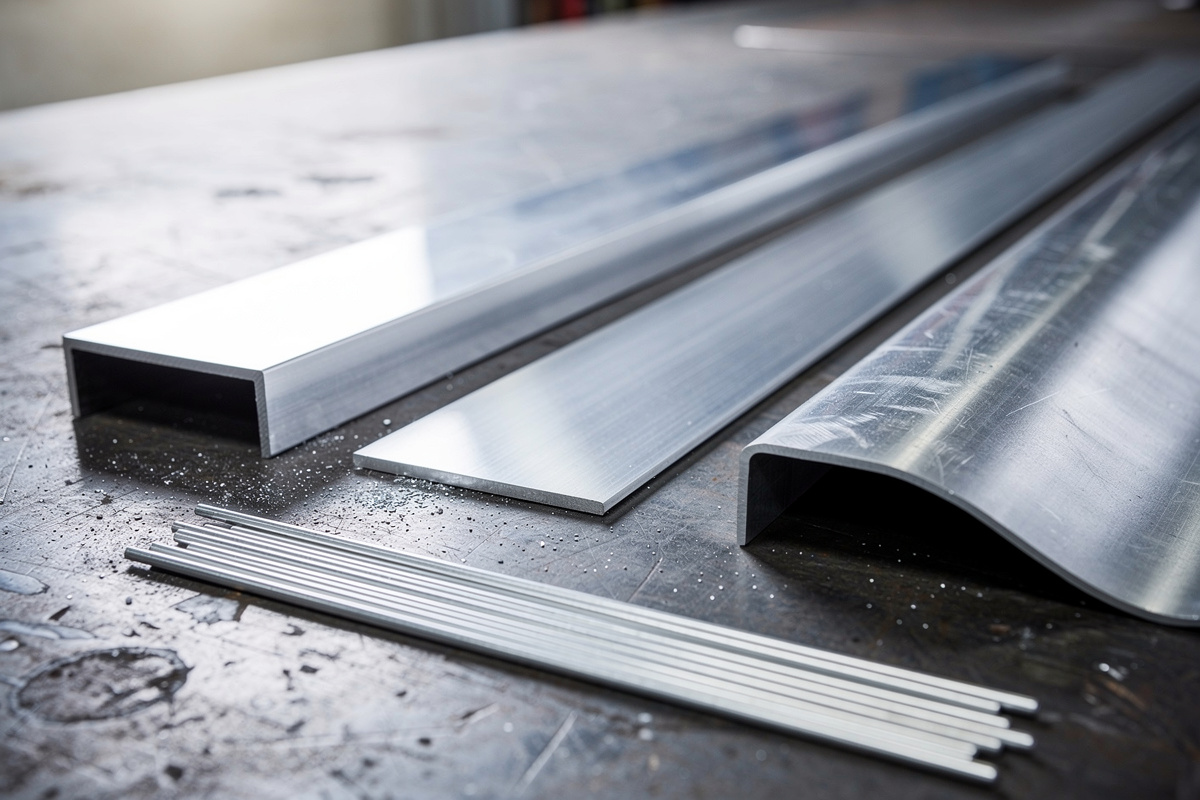

Aluminum trips up more home welders than any other metal, so this aluminum grades welding guide starts where the mistakes do: picking the right alloy before you ever strike an arc. The three you actually meet are 6061, the heat-treatable structural workhorse; 5052, the bend-it marine and sheet alloy; and 3003, the soft and cheap formable grade. Each wants its own filler rod, and none of them forgives the loose heat control you get away with on mild steel — something I learned burning through my first tray of 5052.
Aluminum humbles a lot of steel welders the first time, because it dumps heat four to five times faster than steel and turns to a puddle with almost no warning. Picking the right grade and the right filler is half the battle won before the arc even strikes. I run aluminum on the same argon rig I use for TIG, and the aluminum boat I am slowly building toward is the project pushing me deeper into 5052 and 6061 than any bracket ever did. This guide sorts out 6061, 5052, and 3003 — what each is for, which filler rod to use, and where the strength goes when you weld it. Source any of them through my online metal suppliers guide, since local yards rarely stock aluminum.
Which Aluminum Grade Should You Weld?
Use 6061 for structural frames and brackets, 5052 for anything marine, sheet, or fuel and water tanks, and 3003 for low-stress formed parts like trim and ductwork. 6061 is heat-treatable and strongest; 5052 and 3003 cannot be heat-strengthened but resist corrosion beautifully.
The split that matters most is heat-treatable versus non-heat-treatable. 6061 lives in the 6xxx series and gets its strength from a heat-treat cycle, which welding partially undoes. 5052 (5xxx, magnesium) and 3003 (3xxx, manganese) get strength from alloying and work hardening, so welding does not crater them the same way. That is why a boat hull is 5052 or its marine cousins, not 6061 — the welded strength is more predictable and the saltwater corrosion resistance is in a different league. Match the grade to the job first, then choose filler.
6061 Aluminum: The Structural Standard
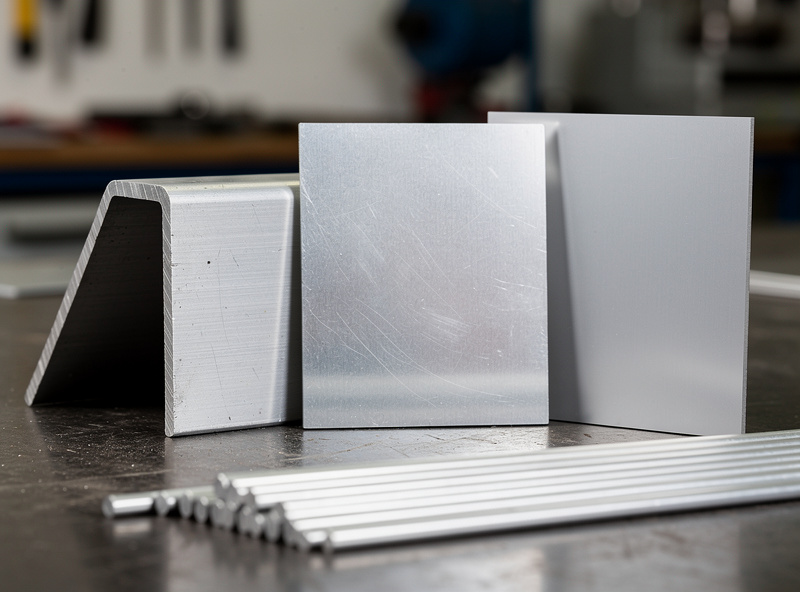
6061 is the most common structural aluminum — heat-treatable, strong in T6 temper, and used for frames, brackets, extrusions, and machine parts. The catch: welding 6061-T6 softens the heat-affected zone, dropping local strength by roughly 40% as the temper anneals out around the bead.
6061 welds cleanly but you have to design around that HAZ softening. The metal right beside your bead reverts toward an annealed state and never fully recovers without a re-heat-treat that no home shop has. I weld 6061 with ER4043 filler most of the time because it flows well and resists cracking, or ER5356 when I need more strength and ductility or plan to anodize the part to match. For a frame that has to carry load, I keep welds away from the highest-stress points and let unwelded base metal do the work. It is the aluminum equivalent of mild steel for the structural side of the shop — versatile, available, and forgiving once you respect the heat. Run it on TIG or a spool gun with straight argon, never the 75/25 you use on steel; the wrong gas on aluminum is covered in my welding gas guide.
5052 Aluminum: The Marine and Sheet Alloy
5052 is the corrosion king — non-heat-treatable, excellent in saltwater, highly formable, and the go-to for boat hulls, tanks, and sheet-metal work. It welds beautifully with ER5356 filler, retains good strength after welding, and shrugs off marine and outdoor exposure better than any other common grade.
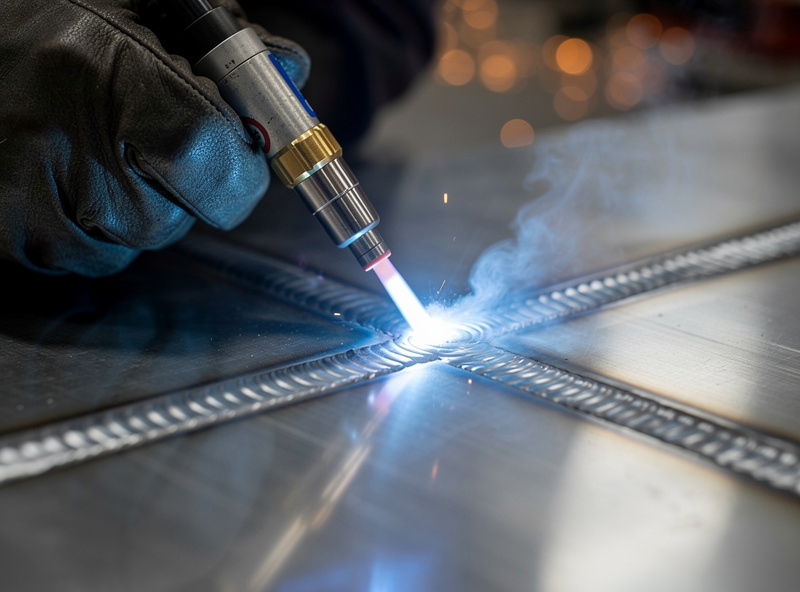
This is the alloy I care about most for the boat. 5052 holds up to roughly 2.5% magnesium, which is what gives it both the corrosion resistance and the clean weldability, and you pair it with ER5356 rod — never ER4043, which can form a brittle phase with the higher-magnesium 5xxx alloys over time. Because 5052 gets its strength from work hardening rather than heat treatment, the welded joint keeps a more honest fraction of the base strength than 6061 does. It bends without cracking, which is why fuel tanks, fenders, and hull panels are made from it. The trade-off is that it tops out lower in raw strength than heat-treated 6061, so for pure structural members you still reach for 6061. For anything that lives in or near water, 5052 wins. The marine-grade alloys above it (5083, 5086) are where serious hull plate goes, and that deep-end boatbuilding is where I openly defer to people who have actually splashed an aluminum hull.
Disclosure: HomeWelder is reader-supported. As an Amazon Associate I earn from qualifying purchases made through links in this article, at no extra cost to you. I only point to gear I actually use or would buy for my own shop.
3003 Aluminum: Soft, Cheap, and Formable
3003 is the budget formable grade — non-heat-treatable, low strength, very ductile, and corrosion-resistant. It is what cooking pans, ductwork, trim, and decorative panels are made from. It welds easily with ER1100 or ER4043 filler but is too soft for structural or load-bearing work.
3003 is essentially commercially pure aluminum with a little manganese for a strength bump. You will not build a frame from it, but it is excellent for skins, covers, panels, and any part you need to bend, roll, or form into shape without cracking. It is the cheapest of the three and the most beginner-friendly to weld because the lower alloy content is forgiving — though its low melting margin still demands the same heat discipline as any aluminum. I keep some 3003 sheet around for practice runs and shop covers; learning to read an aluminum puddle on cheap 3003 beats wasting expensive 5052 marine sheet while your travel speed is still ragged.
Aluminum Grades Compared for Welding
| Grade | Series / Type | Heat-Treatable | Best Filler | Typical Use |
|---|---|---|---|---|
| 3003 | 3xxx (manganese) | No | ER1100 / ER4043 | Trim, ductwork, panels |
| 5052 | 5xxx (magnesium) | No | ER5356 | Marine, tanks, sheet |
| 6061 | 6xxx (Mg-Si) | Yes | ER4043 / ER5356 | Frames, brackets, extrusions |
| 5083 | 5xxx (magnesium) | No | ER5356 / ER5183 | Marine hull plate |
| 7075 | 7xxx (zinc) | Yes | Not arc-weldable | Aerospace, bolt together |
Note the 7075 row: it is one of the strongest aluminum alloys but effectively not arc-weldable — it cracks badly and is meant to be bolted or riveted. Knowing which grade simply should not be welded is as useful as knowing the filler for the ones that should. Dial your spool-gun settings the same disciplined way you would for steel in my settings chart.
How to Prep and Weld Aluminum Cleanly
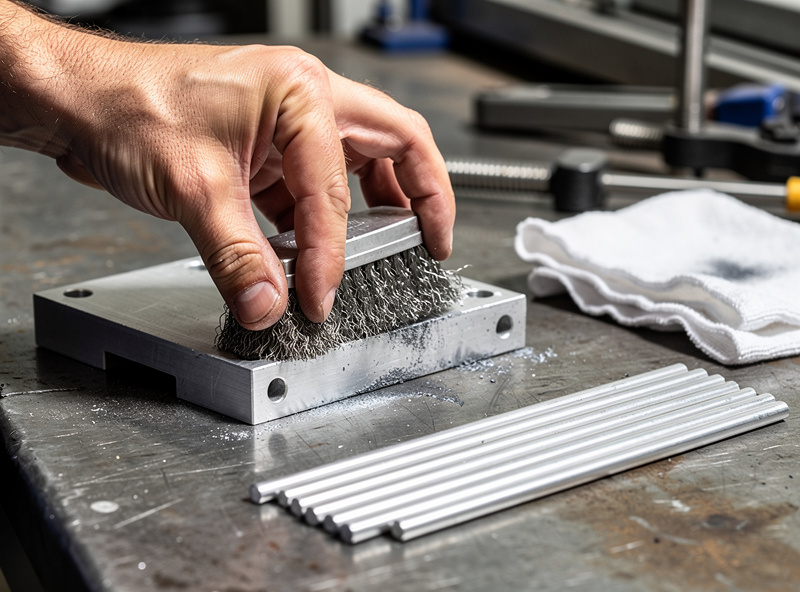
Aluminum welding fails on contamination more than anything. The metal grows a tough oxide layer that melts at over three times the temperature of the aluminum underneath, so it must be removed mechanically and the surface degreased right before welding. Skip this and you get gray, sooty, porous welds every time.
My routine is strict: wipe the joint with acetone to strip oil, then scuff the weld zone with a clean stainless wire brush kept only for aluminum — a brush that has touched steel drags carbon contamination straight into the puddle. Weld with straight argon, push the torch, and move fast because the base metal is hauling your heat away. Keep the matching aluminum filler rod dry and clean too. The full TIG-on-aluminum technique — AC balance, tungsten prep, amperage — lives in my TIG welding guide. Compare the steel side of the rack in my steel types for welding breakdown.
Frequently Asked Questions
What is the best aluminum grade to weld?
It depends on the job. 6061 is best for structural frames and brackets, 5052 for marine work, tanks, and sheet metal, and 3003 for soft formable parts. 5052 and 3003 are the most forgiving to weld; 6061 is strongest but loses temper in the heat-affected zone.
What filler rod do I use for 6061 aluminum?
ER4043 is the most common choice for 6061 because it flows well and resists cracking. Use ER5356 instead when you need more strength and ductility, or when the part will be anodized, because 4043 welds turn dark and will not color-match the base metal.
Can you weld 5052 with 4043 filler?
It is not recommended. 5052 carries around 2.5 percent magnesium, and ER4043 can form a brittle magnesium-silicide phase with higher-magnesium 5xxx alloys over time. Use ER5356 filler for 5052, which matches the magnesium chemistry and gives a stronger, more reliable weld.
Why is aluminum harder to weld than steel?
Aluminum conducts heat roughly four to five times faster than steel, so it pulls heat from the weld pool and burns through with little warning. It also grows a high-melting oxide layer that must be cleaned off, and it shows no color change before melting, removing the visual warning steel gives.
Can you weld 7075 aluminum?
Not by arc welding. 7075 is a high-strength zinc-series aerospace alloy that cracks badly when welded and has no suitable filler. Parts in 7075 are designed to be bolted or riveted together, not welded. If a design calls for welded high-strength aluminum, 6061 is the practical choice.
Do you need a spool gun to MIG weld aluminum?
Effectively yes for MIG. Aluminum wire is too soft to push through a long standard MIG liner without birdnesting, so a spool gun or push-pull gun feeds it from close to the arc. Alternatively, TIG welding handles aluminum without a spool gun using pure argon and AC current.

Discussion (0)