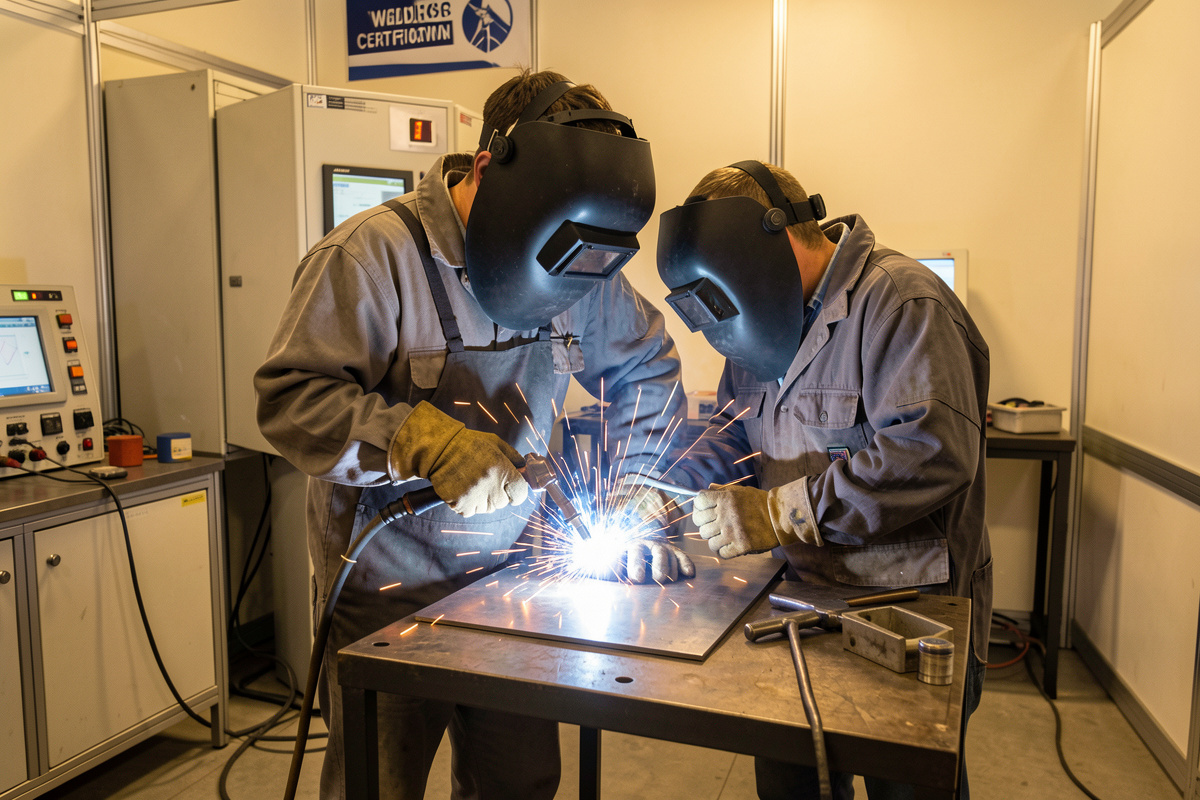

To get a welding certification you train until your welds reliably pass bend tests, then weld a test coupon under supervision at an accredited facility to a specific code, position, and material. An inspector witnesses the weld and the coupon goes to destructive or radiographic testing. Pass, and you hold a certificate for that exact combination — typically costing a few hundred dollars and an afternoon.
I will say this plainly up front: I am not a certified welder. I run a YesWelder MIG-PRO205DS at home, test my own welds by bending coupons, and I am happy doing that. But I have walked the certification question with my welder friend Mike, who is qualified and has decades in the trade, and this guide is the honest, accurate map of how the process actually works — so you can decide whether to chase it and not waste a test fee when you do. Certification is one of the few areas where I defer openly to coded tradesmen, and I will flag where Mike’s word carries more weight than mine.
What a Welding Certification Actually Is
A welding certification is a witnessed, documented proof that you welded a specific coupon to a specific written standard and it passed testing. The critical thing beginners miss: you are never certified “as a welder” in general. You are certified for one process, one position, one material type, and one thickness range at a time — for example, MIG (GMAW) in the 3G vertical position on carbon steel plate.
That scope matters because it defines what your certificate is worth on a job. A shop hiring for overhead pipe work does not care that you passed a flat-position plate test. Change the position, the process, or the base metal enough and you may need a separate qualification. This is why welders accumulate multiple certifications over a career rather than holding one universal card. Understanding the scope before you test is half the battle, and it is the part I see hobbyists get wrong most often.
The Main Certifying Bodies and Codes
Most welder qualification in the English-speaking world runs through a handful of codes, and which one you test under depends entirely on the work you want to do. In the United States, AWS (American Welding Society) standards dominate — D1.1 for structural steel is the big one, and the AWS Certified Welder program tests to it. In Europe and much of the rest of the world, EN ISO 9606 governs welder qualification, often administered through national bodies. Pressure and pipe work falls under ASME Section IX.
Here is where I hand the microphone to Mike: the specifics of which code clause applies to which job, and how procedure qualification (the WPS and PQR paperwork) interlocks with welder qualification, is coded-tradesman territory. I can tell you the codes exist and roughly what they cover; I cannot and will not pretend to interpret clause-level requirements. If you are testing for employment, the employer or testing facility tells you exactly which standard and position to qualify on — do not guess. The accredited body is the source of truth, always.
Understanding Welding Positions
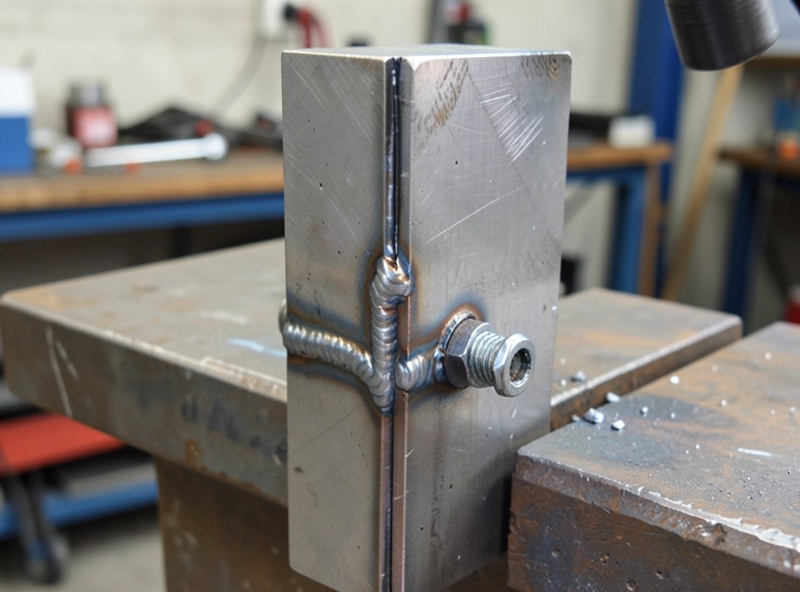
Certifications are tied to welding positions, and the position you qualify in determines the positions you are cleared to weld. The numbering looks cryptic but is simple: 1 is flat, 2 is horizontal, 3 is vertical, and 4 is overhead, with G meaning groove (plate) and F meaning fillet. So 3G is a vertical groove weld on plate; 6G is the all-position pipe test that qualifies you for nearly everything below it.
The reason this matters for planning: qualifying in a harder position generally covers the easier ones. Pass a 3G/4G plate combination and you typically cover flat and horizontal too, because gravity is working against you in vertical and overhead, so if you can control the puddle there, the easy positions are a given. This is why people invest practice in the uncomfortable positions — one harder test buys broader coverage. When I practice for my own skill-building, I deliberately run vertical-up beads for this reason, even though nothing is testing me.
The Step-by-Step Path to Certification
The realistic path from where you are now to a certificate has five stages, and skipping the early ones is how people burn money on failed tests. First, build genuine skill — months of practice until your welds are consistent, not occasional. Second, prove that skill to yourself with home bend tests so you know your coupons pass before you pay anyone. Third, choose your code, process, and position based on the work you actually want. Fourth, book and sit the test at an accredited facility. Fifth, maintain the certificate per its renewal rules.
The single highest-value thing you can do before paying for a test is exactly what this whole cluster is about: test your own welds destructively until they pass reliably. A formal qualification test is, at its core, a witnessed bend test. If your home coupons fold flat without cracking, you have real evidence you are ready. If they do not, you are not — and finding that out for free on your own bench beats finding it out after a non-refundable test fee. My qualification test preparation guide covers the practice run-up in detail.
Where to Get Certified
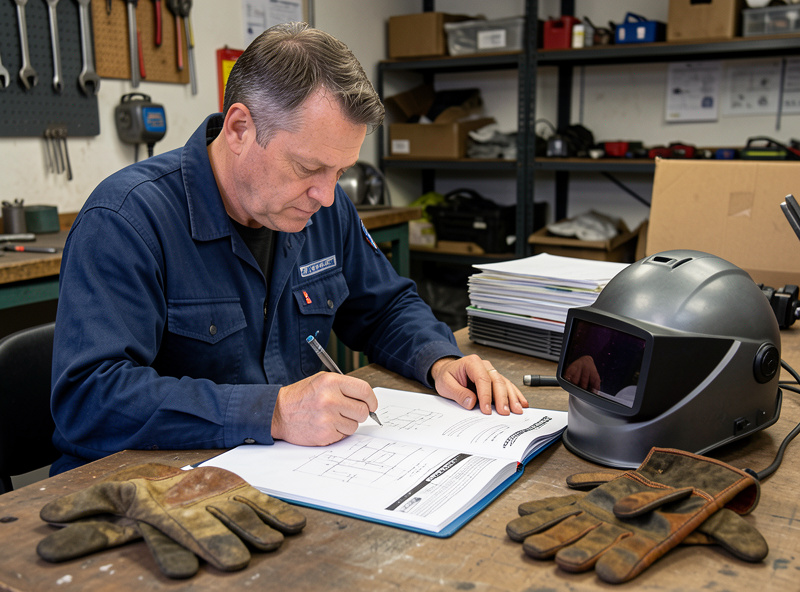
You get certified at an accredited testing facility, and for most people the most accessible route is a community or technical college with a welding program. These schools run AWS-accredited testing, often bundle the test into a course, and give you supervised booth time to dial in before the real coupon. Standalone AWS Accredited Test Facilities exist too, as do employer in-house testing programs where a company qualifies you on the equipment you will actually use.
For a home welder curious about certification, the community college route is the one Mike points people toward, and I agree it makes the most sense. You get instruction, structured practice, and testing in one place, usually at a fraction of standalone-facility cost. It also gives you access to a certified welding inspector who can tell you, before you test, whether your technique is where it needs to be. That feedback alone is worth the tuition — it is the one thing my home bench cannot give me, because I am not qualified to certify anything, including my own readiness.
What the Test Day Looks Like
On test day you weld a coupon to the procedure under the inspector’s eye, and then your weld is tested — usually by guided bend, sometimes by radiography for pipe and pressure work. For a typical plate test you get setup time and often a practice coupon, then you weld the official coupon: clean the joint, set your machine, run the root, fill, and cap to the procedure. The inspector checks your coupon visually first, and any disqualifying defect ends it there.
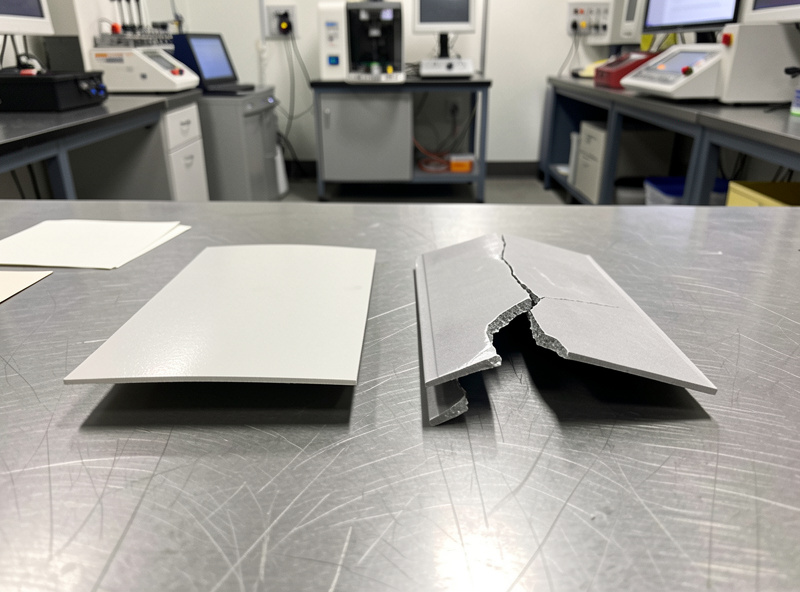
If it passes visual, the coupon is cut into straps and bent 180 degrees, and the bent faces are inspected for cracks and openings over the allowed limit — generally no discontinuity longer than 1/8 inch on the convex surface. Pass the bends and you are certified for that scope. The whole physical process mirrors what you can rehearse at home; the difference is the witnessing, the paperwork, and the fact that it counts. Knowing what passing looks like is exactly why learning to read your own bent coupons matters, and my weld defects guide covers what disqualifies a coupon.
Cost, Renewal, and Whether You Even Need It
A single welder qualification test typically runs from roughly $300 to $1,000 depending on region, code, and whether testing is bundled into a course, and most certifications require periodic maintenance to stay current. AWS Certified Welder status, for instance, requires you to verify ongoing work in the process at set intervals or the certification lapses. Always confirm current fees and renewal terms directly with your testing facility, because they vary and change.
The honest question, though, is whether you need it at all. For hobby, repair, and home DIY work — the kind I do — you do not. No one inspects the welds on my shop fixtures or the frame I am building toward an aluminum boat, and a certificate would not make those welds one bit stronger. Certification earns its cost when welding becomes income or when a job is structural, pressure-bearing, or code-mandated. If that is your path, get certified properly through an accredited body. If it is not, put the test fee toward consumables and projects, and train as if you will be tested anyway — because that discipline is what actually makes you a better welder.
Frequently Asked Questions
How long does it take to get a welding certification?
It depends entirely on your starting skill. A complete beginner usually needs several months to a year of regular practice before welds pass reliably. Once your home bend coupons pass, the test itself is a single session. Many people qualify through a multi-month community college welding course that bundles the test.
Do I need a certification to weld at home?
No. Hobby, repair, and DIY welding require no certification of any kind. Certification matters only for paid structural, pressure, or code-critical work where an employer or code mandates it. You can build excellent skill and test your own welds at home without ever holding a certificate.
How much does a welding certification cost?
A single position-and-process test typically runs roughly 300 to 1,000 dollars depending on region, code, and whether it is bundled into a college course. Retests cost extra. Confirm exact pricing with your accredited testing facility, since fees vary widely and change over time.
What does 3G or 6G mean in welding certification?
They are position codes. The number is the position: 1 flat, 2 horizontal, 3 vertical, 4 overhead. G means groove weld and F means fillet. So 3G is a vertical groove weld on plate, and 6G is the all-position pipe test that qualifies you for most positions below it.
Can I practice for a welding test at home?
Yes, and you should. A qualification test is essentially a witnessed bend test, so practicing welds and bending your own coupons at home is direct preparation. The physical skill is identical; only the supervision and paperwork differ. Reliable home bend passes are strong evidence you are ready to test.
Where do I get certified as a welder?
At an accredited testing facility. For most people a community or technical college welding program is the most accessible route, offering instruction, practice, and accredited testing together. Standalone AWS Accredited Test Facilities and employer in-house testing programs are the other options.

Discussion (0)