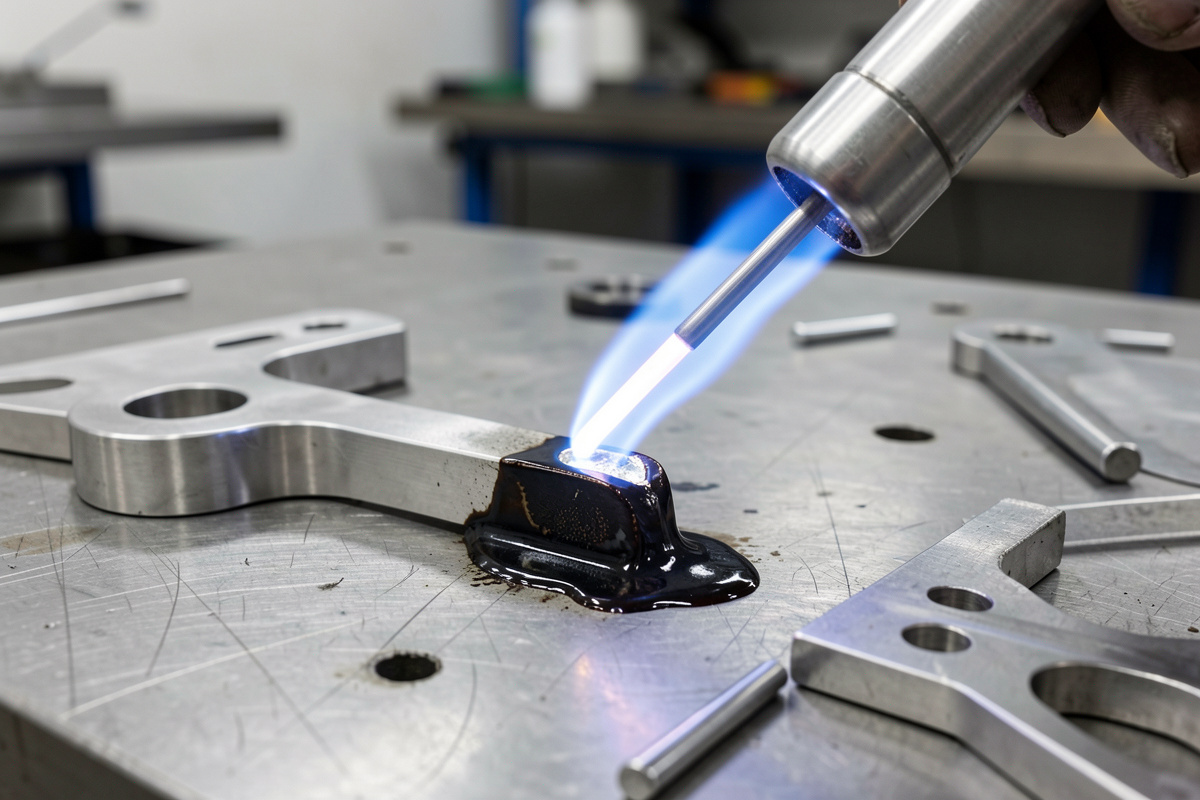

Brazing stainless steel works well once you handle its one quirk: stainless grows a tough chromium oxide that ordinary white flux cannot cut. Use an aggressive high-fluoride (black) flux, a cadmium-free silver filler, clean to bright metal, and keep your time at heat short to avoid sensitizing the steel. Done right, brazing joins stainless with no distortion and no backpurge — far simpler than TIG.
Stainless is where I most often choose the torch over the arc. I can TIG stainless — and sometimes I should — but on thin stainless, dissimilar joints, or anything where distortion or a backpurge is a headache, silver brazing is faster and cleaner. The chromium that makes stainless corrosion-resistant is also what makes it fussy to braze, so this guide is built around that single fact: beat the chromium oxide and control the heat, and stainless brazes beautifully.
Why Stainless Is Different From Steel or Copper
Two properties set stainless apart at the brazing bench. First, its chromium content forms a stubborn, self-healing oxide layer the instant heat hits it — the same oxide that resists rust also resists wetting, so a standard white brazing flux often cannot clean it. You need a more aggressive flux formulated to dissolve chromium oxide. Second, stainless conducts heat poorly, about a third as well as carbon steel and far less than copper. That cuts both ways: you can heat a local joint without the whole part sinking your heat, but it also means you can overheat one spot fast, so heat control is more delicate than on conductive copper.
Get those two things right — the correct flux and a controlled heat — and stainless takes silver filler easily. The wider filler and flux families sit in my brazing and soldering guide, and the foundational silver method is in the silver brazing guide for beginners, which you should read first if silver brazing is new to you.
Flux: The Part That Makes or Breaks It
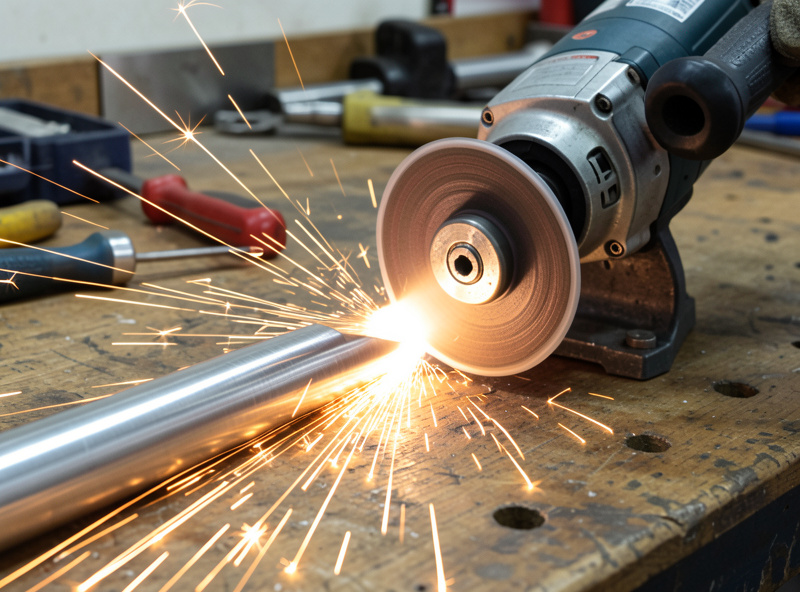
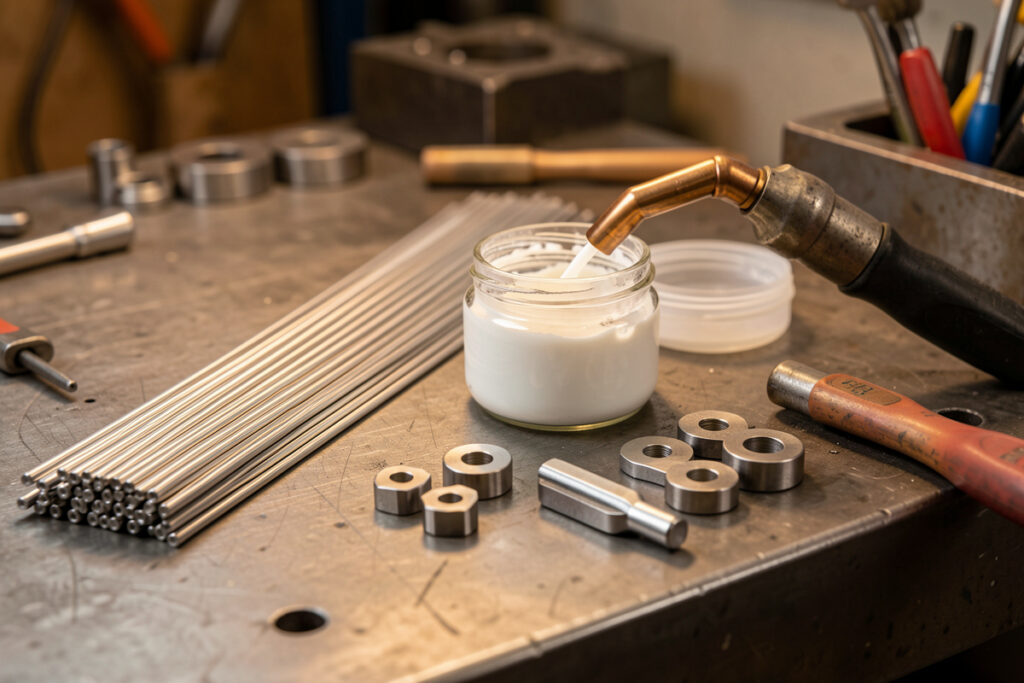
This is the step beginners get wrong on stainless. The white paste flux that works on steel and copper frequently is not aggressive enough for stainless chromium oxide. Reach for a high-fluoride black flux rated for stainless and longer heating cycles — it cuts the chromium oxide and stays active through the time it takes to bring stainless to flow temperature. Coat both mating faces thinly and evenly. If your filler keeps balling and refusing to wet clean stainless, the flux is almost always the culprit, not your technique.
Flux also tells you temperature, just like on other metals: it goes from its applied state to a clear, glassy melt as the joint reaches flow heat. Wash the corrosive residue off thoroughly with hot water after the joint cools — leftover fluoride flux will pit stainless over time, which defeats the point of using it.
Filler: Cadmium-Free Silver
Cadmium-free silver-bearing rod (a BAg alloy) is the standard for stainless. It flows low, around 1145–1400°F, wets stainless well with the right flux, and gives a strong, ductile, corrosion-resistant joint. The low flow temperature is a real advantage on stainless because it keeps heat input down, which matters for the sensitization issue below. As always, confirm the rod is cadmium-free — cadmium fume is acutely toxic (OSHA regulates cadmium under 29 CFR 1910.1027), and there is no reason to risk it when cadmium-free rod brazes stainless just as well.
| Element | Choice for stainless | Why |
|---|---|---|
| Filler | Cadmium-free silver (BAg) | Low flow temp, wets stainless, ductile |
| Flux | High-fluoride black flux | Cuts tough chromium oxide |
| Heat source | MAP-Pro or oxy-fuel | Controlled, enough for the section |
| Grade tip | Low-carbon (304L/316L) | Less prone to sensitization |
The Sensitization Problem and How to Avoid It
Here is the metallurgy that separates a durable stainless braze from one that rusts later. When austenitic stainless sits too long in a roughly 800–1500°F range, chromium near the grain boundaries combines with carbon to form chromium carbides, robbing those areas of the chromium that fights corrosion — called sensitization, and it leaves the joint prone to rust right where you heated it. Brazing temperatures fall inside that range, so the defense is time, not avoidance: heat quickly to flow temperature, make the braze, and do not dwell at heat longer than necessary.
Two things help. Use a low-carbon grade where you can — 304L or 316L have less carbon available to form carbides, which is the same reason they are preferred for welding stainless. And keep heat input down with a low-flowing silver filler and an efficient technique. This is the same heat-affected-zone thinking that governs TIG welding stainless — brazing just gives you a lower-temperature, lower-distortion path to the same goal.
Step-by-Step: Brazing a Stainless Joint
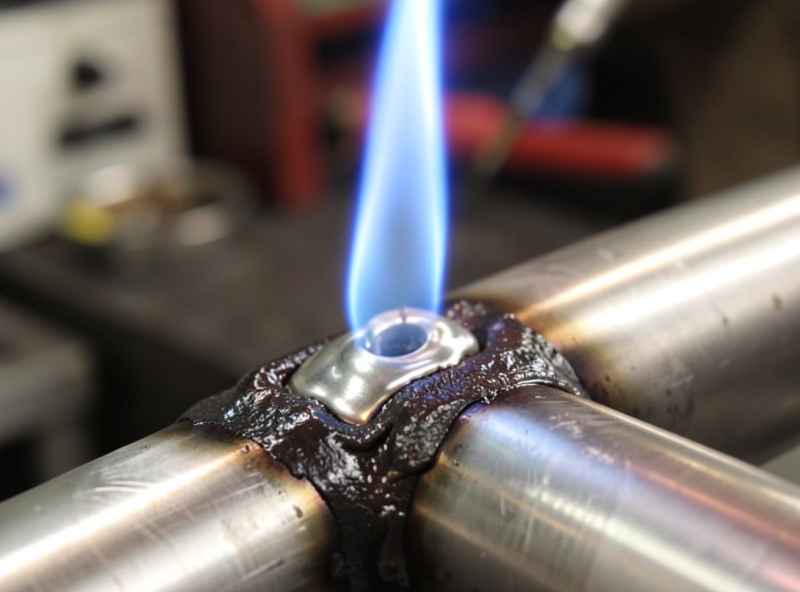
The sequence builds on the silver-brazing basics with stainless-specific tweaks. Clean both parts to bright metal — stainless must be free of oxide, oil, and any contamination; I use a dedicated flap disc so I am not dragging carbon-steel particles onto stainless, which can cause rust spots later. Set a close joint gap, around 0.001 to 0.005 inch, and design for overlap per the joint types guide. Apply high-fluoride black flux to both faces. Fixture the parts so they cannot move.
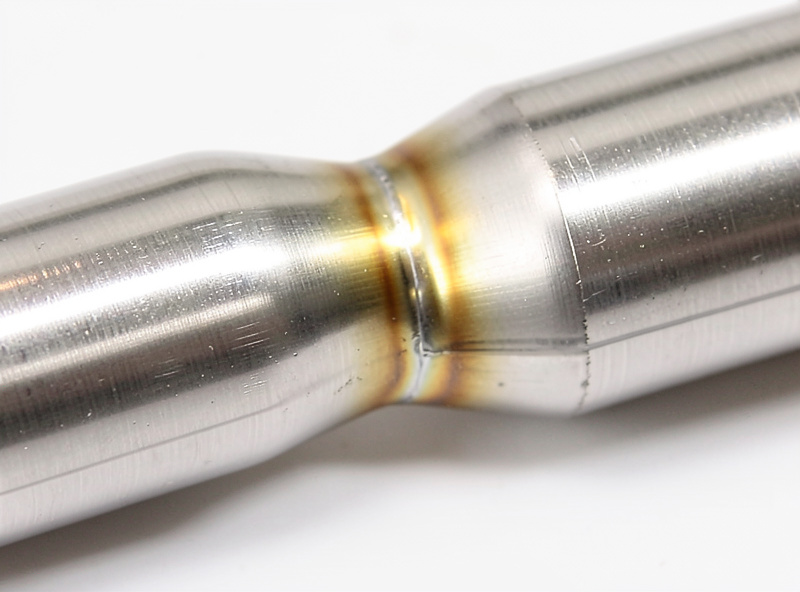
Heat the joint with a controlled flame — MAP-Pro for small sections, oxy-fuel for larger — bringing it up steadily and watching the flux clear. Because stainless does not spread heat well, keep the flame moving over the joint so you do not overheat one spot while another lags. When the flux goes glassy and the metal reaches flow temperature, touch the cadmium-free silver rod to the joint away from the flame; capillary action draws it through. Feed a neat fillet, pull the heat promptly to limit time at temperature, let it cool, and wash off all flux residue. A good stainless braze is a clean bright fillet with minimal heat tint.
When to Braze Stainless vs TIG It
Both join stainless well; the choice is about the job. Braze stainless when you want minimal distortion on thin sections, no backpurge, a quicker setup, or a dissimilar-metal joint like stainless to carbon steel or copper — brazing handles those with ease because it never melts the base metals. TIG stainless when you need maximum strength, a full-penetration structural joint, or a food-grade weld that must be cleaned and passivated. On my bench, a thin stainless bracket or a stainless-to-steel transition gets brazed; a structural stainless frame gets TIG’d. Mike, my welder friend, frames it the same way: braze it if the joint just has to hold and seal, weld it if it has to carry. The strength trade-offs across all the processes are in my brazing vs welding vs soldering comparison.
Safety and Gear for Stainless Brazing
Stainless brazing carries the same hazards as other brazing, plus a flux note. Use cadmium-free filler, always. The high-fluoride flux fumes are a genuine respiratory irritant — braze with real ventilation or a fume extractor, the same lungs-first rule from my welding fume guide. Wear shade 5 goggles for the flame, gloves for heat per the gloves guide, and follow the fire-safety rules for any open torch. As an Amazon Associate I earn from qualifying purchases. For gear you mainly need cadmium-free silver rod and the right flux — a pack of cadmium-free silver brazing rod and a tub of high-temperature stainless flux — with the full kit in the brazing tools and equipment guide.
Frequently Asked Questions
Can you braze stainless steel?
Yes. Stainless brazes well with a cadmium-free silver filler and a high-fluoride flux that can cut its tough chromium oxide. Brazing joins stainless with no distortion and no backpurge, making it simpler than TIG on thin sections and dissimilar-metal joints, as long as you control heat to avoid sensitization.
What flux do you use to braze stainless steel?
A high-fluoride black flux rated for stainless and long heating cycles. Ordinary white brazing flux often cannot dissolve stainless chromium oxide, so the filler will not wet. The aggressive flux cuts the oxide and stays active to flow temperature. Wash all corrosive residue off with hot water afterward.
What filler do you braze stainless with?
A cadmium-free silver-bearing rod from the BAg family. It flows low, around 1145 to 1400 degrees F, wets stainless with the right flux, and gives a strong, ductile, corrosion-resistant joint. Its low flow temperature also keeps heat input down, which helps avoid sensitizing the steel.
Will brazing make stainless rust?
It can if you overheat it. Holding austenitic stainless in the 800 to 1500 F range too long forms chromium carbides and sensitizes the metal, leaving it prone to rust at the joint. Heat quickly, do not dwell, use low-carbon 304L or 316L where possible, and rinse off corrosive flux.
Is brazing stainless stronger than welding it?
No. A full-penetration TIG weld is stronger and is the right choice for structural stainless. A silver-brazed stainless joint is strong and corrosion-resistant and excellent for thin sections, dissimilar metals, and leak-tight joints, but it will not match a weld in raw structural strength.
Can you braze stainless to carbon steel?
Yes, and it is one of brazing’s best uses. Because the base metals never melt, a cadmium-free silver filler bonds stainless to carbon steel cleanly, which is difficult to do by welding. Use the high-fluoride flux for the stainless side, clean both parts to bright metal, and keep heat controlled.

Discussion (0)