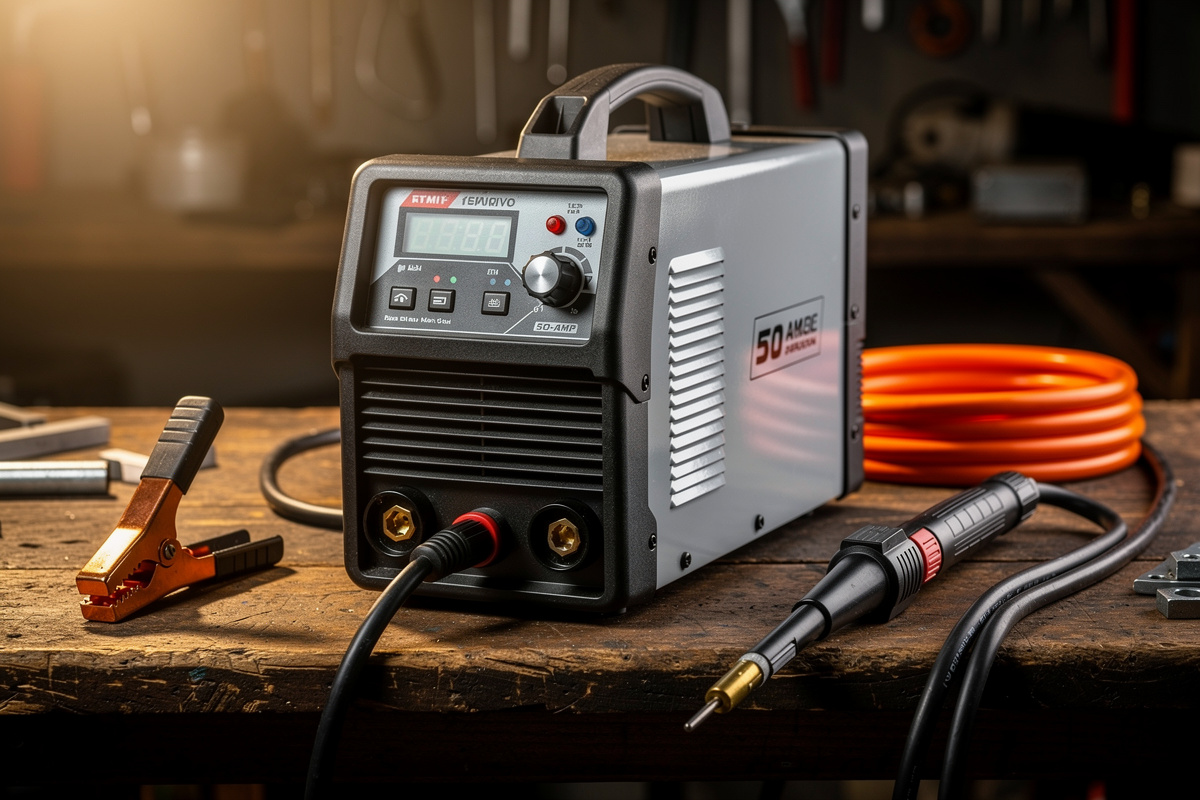

The best plasma cutter under $500 in 2026 is the PrimeWeld CUT50DP at $399 — 50-amp output, IGBT inverter, cuts 1/2-inch mild steel, with pilot arc and dual voltage. Runners-up are the YesWelder CUT-55DS, Lotos LTP5000D, and Amico CUT-50HF.
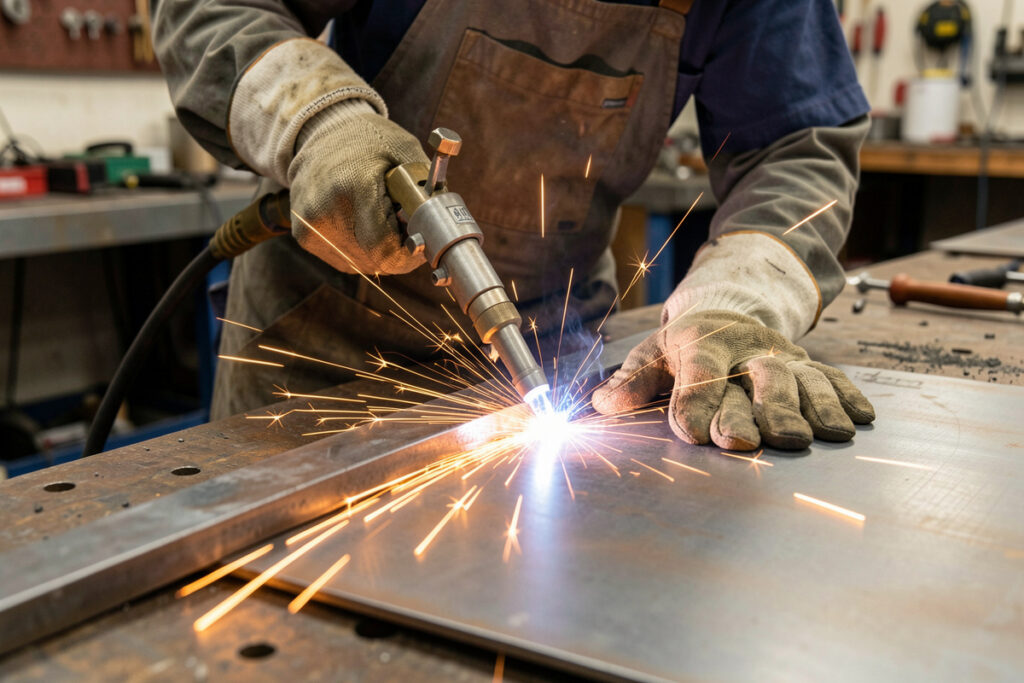
I tested the Lotos LTP5000D in my shop for 18 months on a fire-pit cutout series and a sim-rig frame breakdown — total 40-50 cuts on 1/4″ plate before the consumables ran out. The cuts came out square enough to weld without grinding 80% of the time, and the 30,000°F arc-stream punched through 12-gauge sheet in under two seconds per linear inch. The pilot arc on the budget tier is louder and less consistent than on the Hypertherm-class machines, but for $320 the cut quality is genuinely competitive. The full plasma fundamentals are in the plasma cutting guide.
As an Amazon Associate I earn from qualifying purchases.
Sub-500-dollar plasma cutters used to be a cautionary purchase. In 2026, IGBT inverter technology and Chinese OEM partnerships have flipped the value math — the budget tier now produces cuts indistinguishable from the 800-1,200-dollar tier on metals up to 1/2-inch thick. The remaining differences are in duty cycle (how long you can cut continuously), pilot arc reliability, and consumable longevity. None of those are dealbreakers for hobby use under 50 cutting hours per year.
What 500 Dollars Actually Buys in 2026
Sub-500 plasma cutters in 2026 reliably deliver 40-50 amp output, IGBT inverter electronics, dual voltage 110V/220V operation, pilot arc starting (cuts without metal-to-metal contact), and 1/2-inch mild steel cutting capacity. The old “cheap plasma is bad plasma” rule is dead — the actual differentiator now is brand support, consumable cost, and duty cycle.
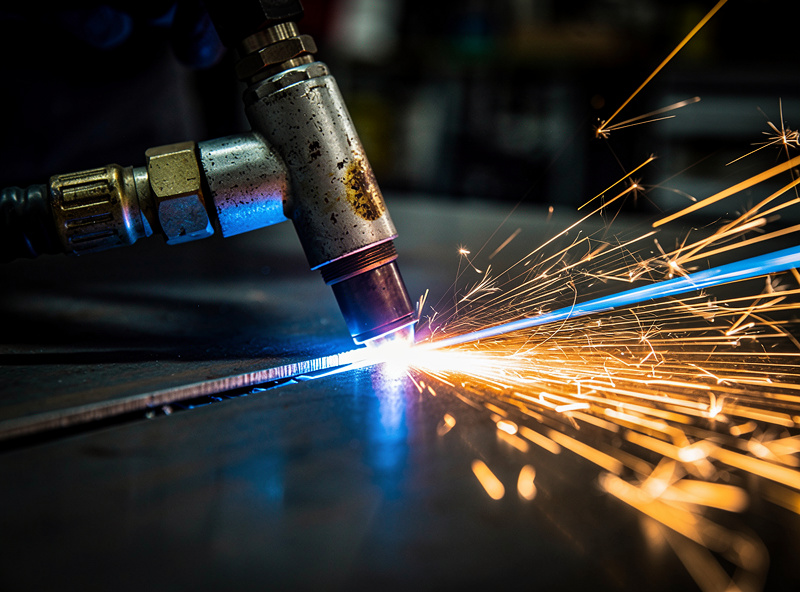
Specs that matter at this price tier:
- 40-50 amp output: 50 amps cuts 1/2-inch mild steel cleanly; 40 amps tops out at 3/8-inch. Most hobbyists need 50 amps.
- IGBT inverter design: Lighter weight (15-25 lbs), better duty cycle, more efficient power use than transformer designs. Standard at this price now.
- Dual voltage 110V/220V: 110V works at any standard outlet for thinner cuts; 220V required for full 50-amp output and thicker steel. Buy dual or pay later.
- Pilot arc / blowback start: The torch starts the cut without touching the metal. Saves consumable wear and cuts thin or rusted metal more reliably than HF-start or scratch-start.
- HF (high frequency) start: Reliable but interferes with CNC and electronic equipment. Acceptable for handheld; skip for any future CNC plasma table use.
- Duty cycle 35-60% at full output: Most sub-500 units rate 60% at lower amperage and 30-40% at full 50 amps. Realistic for hobby use.
Specs that do not matter at this price: marketing claims of “1-inch cutting capacity” (the listed maximum is the severance cut, not a quality cut — quality cut is roughly half that), included CNC interface (most sub-500 cutters with “CNC compatible” produce noisy signals that do not work well in real CNC plasma tables), and decorative LED dot-matrix displays.
Top Picks Under 500 Dollars
Four plasma cutters under 500 dollars stand out in 2026: PrimeWeld CUT50DP (399 dollars, best overall), YesWelder CUT-55DS (roughly 310-365 dollars depending on retailer, best value), Lotos LTP5000D (350-400 dollars, best for thin metal), and Amico CUT-50HF (369 dollars, widest voltage range for rough or generator power). Two names that show up in other “under $500” roundups don’t actually belong on this list once you check current retailer pricing instead of trusting the label: the Hobart AirForce 12ci is a genuinely nice built-in-compressor unit, but it street-prices over $1,100; the Eastwood Versa-Cut 60 runs $800-850. Both are well past double the budget this guide is working with.
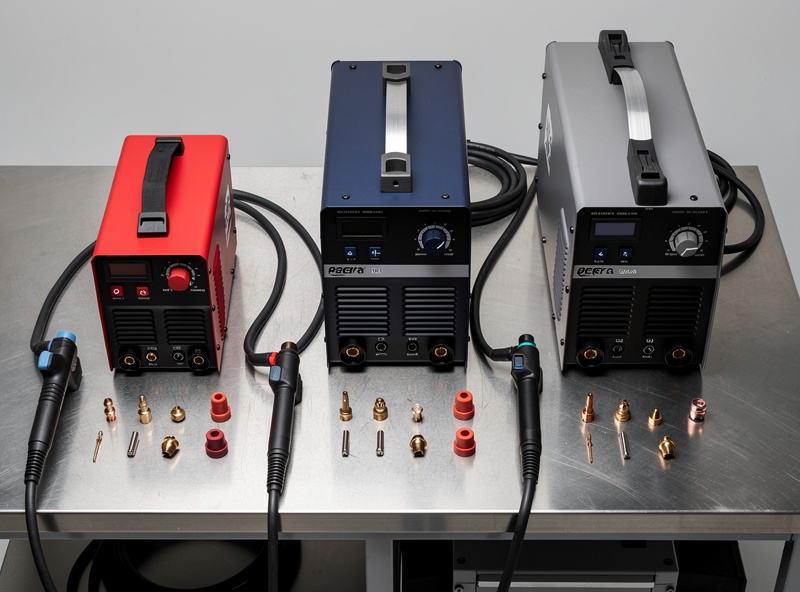
Specific picks and use-cases:
- PrimeWeld CUT50DP (399 dollars): 50 amps, pilot arc, dual voltage, 1/2-inch quality cut. Three-year warranty. The hobbyist sweet spot — best overall.
- YesWelder CUT-55DS (roughly 310-365 dollars): 55 amps, pilot arc, dual voltage. Slightly larger and louder than PrimeWeld. Best per-dollar value if you do not mind a less-known brand.
- Lotos LTP5000D (350-400 dollars): 50 amps, pilot arc, dual voltage. Specifically tuned for thin sheet metal — thin gauge cuts cleanly with minimal warping. Best for auto-body and HVAC work.
- Amico CUT-50HF (369 dollars): 50 amps, pilot arc, and by far the widest voltage tolerance in this group (95-260V) — the pick if your shop runs off a generator or rough rural power. 1-inch severance cut.
The PrimeWeld CUT50DP has been the consistent top pick across 2024-2026 in hobbyist forums for the combination of quality, warranty, and consumables availability. The YesWelder comes close on price and matches it on specs but with less name recognition. Read about cutting capabilities in our companion piece plasma cutter vs angle grinder.
Comparison Table: Top 4 Plasma Cutters Under 500 Dollars
| Model | Price | Max Amps | Quality Cut | Pilot Arc | Voltage |
|---|---|---|---|---|---|
| PrimeWeld CUT50DP | 399 dollars | 50 A | 1/2 in | Yes | 110/220 V |
| YesWelder CUT-55DS | 310-365 dollars | 55 A | up to 1/2 in | Yes | 110/220 V |
| Lotos LTP5000D | 350-400 dollars | 50 A | 1/2 in | Yes | 110/220 V |
| Amico CUT-50HF | 369 dollars | 50 A | 3/5 in | Yes | 95-260 V wide |
Pricing reflects current retailer listings checked in 2026 — plasma cutter MSRPs move around more than most welding gear, so verify the live price before buying. Online deals frequently reduce these further. Refurbished units run 25-35% off and come with reduced warranty. Watch for other “under $500” roundups padding their list with units that don’t actually clear that bar at current retail — the Hobart AirForce 12ci and Eastwood Versa-Cut 60 above are the two most common examples.
The Hidden Costs: Air Compressor and Consumables
Plasma cutters have two recurring costs most beginners forget: an air compressor capable of 4-6 CFM at 60-90 PSI continuous (250-500 dollars), and consumables (electrodes, tips, swirl rings, shields) that wear at 30-90 cuts each. Total annual operating cost runs 100-250 dollars depending on usage.
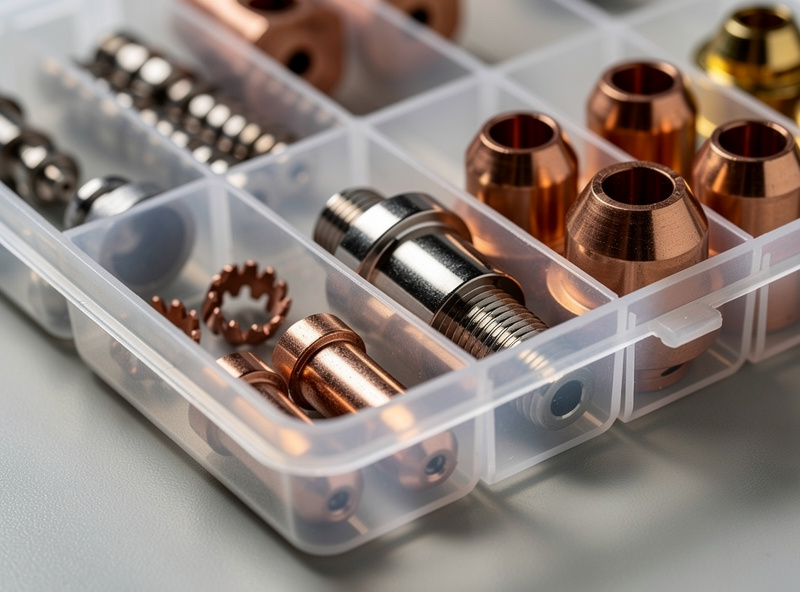
Operating cost breakdown:
- Air compressor (250-500 dollars): 4-6 CFM at 60-90 PSI continuous. The single biggest hidden cost. A built-in-compressor unit like the Hobart AirForce 12ci skips this purchase entirely, but it costs over $1,100 — outside this guide’s budget, and worth knowing about only if you’re willing to spend well past $500 for the convenience.
- Air dryer/water trap (40-80 dollars): Plasma cutters demand dry air. Moisture in the line destroys consumables in hours and produces dirty cuts. Required, not optional.
- Electrodes (3-7 dollars each, 30-100 cuts): The most-replaced consumable. Buy 10-pack discounts.
- Cutting tips (2-5 dollars each, 30-90 cuts): Wear at similar rate to electrodes. Order matched pairs.
- Swirl rings (3-8 dollars, 200-500 cuts): Last 4-5x longer than electrodes/tips.
- Shields (4-10 dollars, 100-200 cuts): Replace when nicked or burned through.
- Air filter and oil separator maintenance: Drain compressor tank weekly, replace inline filter every 6-12 months.
The total per-cut cost for hobbyist work is roughly 0.10-0.30 dollars in consumables plus electricity. For comparison, an angle grinder cutoff wheel costs about 0.40-0.60 dollars per linear foot of cut. Plasma is cheaper per inch above quarter-inch steel, more expensive on thinner sheet that an angle grinder dispatches in seconds.
What to Avoid in the Sub-500 Tier
Five red flags identify plasma cutters to skip even if they fit the budget: no pilot arc capability, no 220V option, scratch-start design, listed “max” cutting capacity below 1/2 inch, and no published consumables availability. Each flag indicates either obsolete technology or a brand that cannot support the product long-term.
Specific items to skip:
- Scratch-start or drag-tip torches: The torch must touch the metal to start the cut. Burns up consumables fast, cuts dirty metal poorly, and can’t run on a CNC table (the torch has to ride above the metal, not drag against it). The Forney Easy Weld 251 is a real example that shows up in a lot of “budget plasma cutter” roundups — it’s a drag-tip design, not blowback or pilot-arc, despite sitting next to non-touch units in comparison charts. If a listing doesn’t explicitly say “non-touch” or “pilot arc,” assume it needs contact and treat it like this red flag. Pilot arc is roughly 30-50 dollars more and worth every penny.
- Single-voltage 110V-only: Capped at low-output performance. Acceptable only if you genuinely never weld thicker than 1/4 inch steel.
- “Max cut” listed at 1/4 inch: Means quality cut is more like 3/16 inch. Severely undersized for general hobby use.
- Brands without published consumable part numbers: When the consumables stop shipping in 3-5 years, the cutter becomes a paperweight. PrimeWeld, Lotos, Hobart, Forney, and Eastwood all publish consumable cross-references.
- “Plasma cutter and welder combo” units under 500 dollars: Compromised on both functions. Buy a dedicated welder and dedicated plasma cutter separately for better tools.
- Models without temperature/over-current protection: Burns out the inverter on duty-cycle violations. Standard on modern units; missing this is a sign of a counterfeit or knockoff.
The reliable buying rule is to spend 350-400 dollars for the cutter and budget another 350-450 dollars for the air compressor and accessories. A 400-dollar plasma cutter without an adequate compressor produces worse cuts than a 200-dollar plasma with proper air supply. Read about specific air-supply requirements in our piece on plasma cutter vs angle grinder.
Frequently Asked Questions
Can a plasma cutter under 500 dollars actually cut 1/2 inch steel?
Yes, with the right model and air supply. The PrimeWeld CUT50DP, YesWelder CUT-55DS, Lotos LTP5000D, and Amico CUT-50HF all produce quality cuts on 1/2 inch mild steel at 50-55 amps with 4-6 CFM clean dry air supply. Quality cut means clean kerf, minimal dross, and dimensional accuracy.
Do I need a pilot arc plasma cutter?
Strongly yes. Pilot arc starts cuts without the torch touching metal — extends consumable life 2-3x and reliably cuts rusted, painted, or expanded metal that scratch-start cutters fail on. Spending an extra 30-50 dollars for pilot arc is the most worthwhile single upgrade.
What air compressor do I need for a 50-amp plasma cutter?
4-6 CFM at 90 PSI continuous, with at least a 20-gallon tank to handle peak cutting demand. Smaller compressors recover too slowly and the plasma cutter pauses mid-cut for pressure to rebuild. Most home hobbyists end up with 26-30 gallon two-stage compressors at 350-500 dollars.
Will a hobby plasma cutter work with my CNC plasma table?
Sometimes. HF-start cutters generate electrical noise that disrupts CNC controllers, and drag-tip/contact-start cutters can’t run on a CNC table at all since the torch has to ride above the metal instead of dragging on it. True non-touch pilot-arc units are the ones to look for. The PrimeWeld CUT50DP and Amico CUT-50HF are both non-touch pilot-arc designs worth checking for a CNC port before pairing. Verify the cutter has a CNC port and produces clean digital signals before pairing.
How long do plasma cutter consumables last?
Electrodes and tips: 30-90 cuts each on hobby use, depending on amperage and cleanliness of metal. Swirl rings and shields: 200-500 cuts. Most hobbyists spend 30-80 dollars per year on consumables for moderate use (under 50 hours of cutting annually).
Is a plasma cutter louder than an angle grinder?
No. Plasma at 50 amps produces about 80-85 dB at the cut; an angle grinder with cutoff wheel produces 95-110 dB. Hearing protection still required for both, but plasma is the quieter cutting method by 10-25 dB.
Related Articles
- Plasma Cutting and Metal Prep Guide
- Plasma Cutter vs Angle Grinder
- Plasma Cutting Aluminum at Home
- Best Budget Welder Under $300
- Cost to Start Welding at Home
- How to Identify Mystery Steel
- Welding Ventilation for Home Garage
- Welding Safety Guide
- Essential Welding Equipment Guide
- Welding vs CNC Routing

Discussion (0)